


























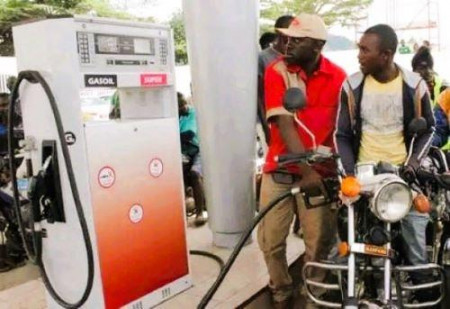
(Business in Cameroon) – Tradex SA, a Cameroonian oil and gas company, sold 269.4 million liters of fuel, 688,697 liters of lubricants, and 12.03 million liters of butane gas across its network in 2024, according to data reviewed by Business in Cameroon. Through July 2025, sales continued to rise, with a 7.4% increase for fuel, a 34.6% rise for lubricants, and a 17.3% jump for gas compared to the previous year.
This positive trend is the result of a diversification strategy that began in 2001. By gradually expanding its portfolio, the company has built a trajectory of steady revenue growth. “The company’s rise in power coincides with the diversification of its activities. As early as 2003, it already had a turnover of 31 billion CFA francs, a figure that would appreciate by an additional 47 billion as of 2006, the year of its entry into the distribution of petroleum products,” an internal source explained.
Successful Diversification and New Ambitions
Since then, Tradex has developed multiple growth drivers. The 2010 launch of TradexLub helped the company surpass the 100 billion CFA franc mark. In 2012, its entry into aviation bunkering and the launch of its fuel card pushed turnover to 193 billion francs, before reaching 243 billion in 2013, a year marked by the introduction of the TradexGaz bottle. By 2018, premium Maxiboost fuels contributed to raising revenue to 272 billion CFA francs.
Beyond energy, Tradex is exploring new services. Since 2025, some stations in Yaoundé and Douala have partnered with the local chain Tchop et Yamo to offer a popular local dish known as beignet-haricot-bouillie (BHB). The company has also relaunched its station stores under various brands such as Trad’Shop and Drinks Center by Trad’Shop, in partnership with local merchants.
By integrating a local and convenient food offering, Tradex aims to increase station traffic and, in turn, boost fuel sales. This initiative places the company in direct competition with TotalEnergies, which already offers pastries and sandwiches through La Croissanterie. The bet could prove profitable: in 2015, Momar Nguer, then CEO of Total Africa, estimated that in-station fast food increased fuel sales by 10%. The company is also focused on expanding its network, with an average of five new stations built each year. Its network now includes 90 stations across the country’s ten regions.
Amina Malloum

