






























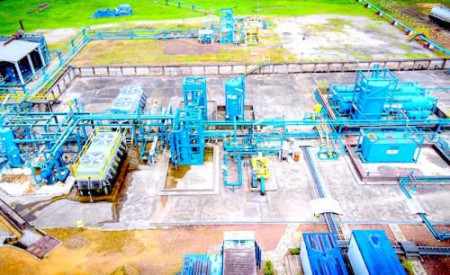
Natural gas deliveries by Gaz du Cameroun (GDC) to industrial clients in Douala fell sharply in 2024, highlighting growing strains in the country’s industrial energy market.
According to the National Hydrocarbons Company (SNH), volumes dropped to 35.57 million cubic meters over the year, down 62.92% from 2023. The decline reflects the disconnection of several industrial users from the network, as well as maintenance work on GDC’s infrastructure.
The downturn comes amid rising energy costs for manufacturers. In May 2023, GDC—Cameroon’s subsidiary of UK-based Victoria Oil & Gas—announced a 20% increase in gas prices, effective June 1. The company framed the move as necessary to offset higher operating costs.
The increase coincided with broader cost pressures. The 2023 finance law introduced a special tax on natural gas of CFA70 per cubic meter, while electricity tariffs for large industrial users rose by about 30%. Fuel prices also increased by between 15.8% and 36.5%.
A dispute over pricing procedures
The price hike quickly triggered a dispute with authorities. In a letter dated May 30, 2023, the Minister of Trade, Luc Magloire Mbarga Atangana, reminded GDC that any revision of domestic gas prices must receive prior approval.
He cited Article 115 of the decree implementing the 2019 Petroleum Code, which requires government validation for gas pricing. The minister asked GDC to suspend the increase and submit the relevant documentation for review.
Despite this, GDC maintained the price adjustment, citing rising operational costs. The move drew protests from industrial clients, who challenged both the legality of the increase and its compliance with contractual terms.
In a letter dated June 6, 2023, CEO Eric Friend acknowledged client objections but confirmed the company’s decision to proceed with the price increase.
The dispute eventually reached the highest levels of government. In August 2023, the Minister of Trade indicated that the matter had been referred to the “highest authority,” signaling that final resolution would come from the top of the state.
Industrial clients turn to alternatives
Beyond the regulatory dispute, industry sources say GDC has lost a significant share of its industrial customer base, as price increases and supply constraints pushed users to seek alternatives.
“At one point, prices went up, and then there were production issues,” said one sector source.
In response, many industrial operators shifted to other energy sources, including diesel and liquefied petroleum gas (LPG). Suppliers such as Tradex and Aza Afrigaz have expanded offerings tailored to industrial demand.
The sharp drop in deliveries in 2024 reflects a broader restructuring of the industrial energy market in Douala. Faced with higher costs, supply uncertainty, and alternative options, many companies have adjusted their energy strategies toward more flexible and reliable solutions.
For Gaz du Cameroun, the challenge now goes beyond restoring volumes. It also involves rebuilding trust with industrial clients who have already begun to diversify away from its supply.
Amina Malloum

