































Africa cannot rely on trade liberalization alone to achieve economic transformation; instead, it must pair AfCFTA integration with deliberate industrial, agricultural, and digital capacity-building policies to strengthen productive competitiveness. Without strategic investments in local manufacturing, food processing, and digital sovereignty, the benefits of trade integration will largely favor already industrialized economies rather than African producers.
By Dr. Stéphane Mbiankeu Nguea
Introduction
The objective of this brief is to provide African trade and industry policymakers with an actionable framework emerging from the MC14 Civil Society Dialogue. The Dialogue held in Yaoundé, brought together trade practitioners, experts, and civil society for discussions on how international trade can drive resilience and employment generation. The important lesson that Africa should draw from this Dialogue is that trade liberalization alone cannot generate growth; rather, there must be proper policies that precede or come along with strategic policy decisions that create productive, technological, and institutional capacities. This lesson is especially true for Africa, based on its current economic profile. Despite AfCFTA tariff reductions, intra-African trade represents less than 18 % of Africa’s total trade. Africa accounts for only 2 % of global manufacturing value-added activities, while most of its participation in the global value chain involves exporting of primary products. Although the digital economy in Africa is expanding rapidly, most of the countries are ranked at the bottom of the UNCTAD B2C E-commerce Index because of infrastructure and payment challenges, among other problems. It became clear at MC14 that without addressing such structural weaknesses, gains from trade integration would be realised primarily by those who already had adequate capacity.
- The Diagnostic: Three Interlocking Gaps
2.1 The Productive Capacity Gap
According to the African Center for Economic Transformation (ACET), the average score across the continent of the African Transformation Index sits at roughly 30/100. The “technological upgrading” component is particularly weak, indicating that most African economies are not deepening their technological sophistication. However, the problem is about the lack of an industrial policy, insufficient infrastructure, and restricted access to patient capital. Here, the case of China is illustrative: China spent three decades building up its industrial capabilities behind closed doors prior to competing fully in the global economy. In Africa’s context, given its political disunity and smaller home market compared to China, a similar approach would be impossible. However, without a deliberate process of building up capabilities via industrial policy and infrastructure, technology transfer, and digitalization will lead to more imports and weaken productive capabilities.
2.2 The Agricultural Raw Material Trap
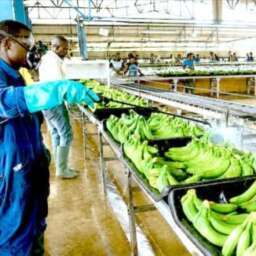
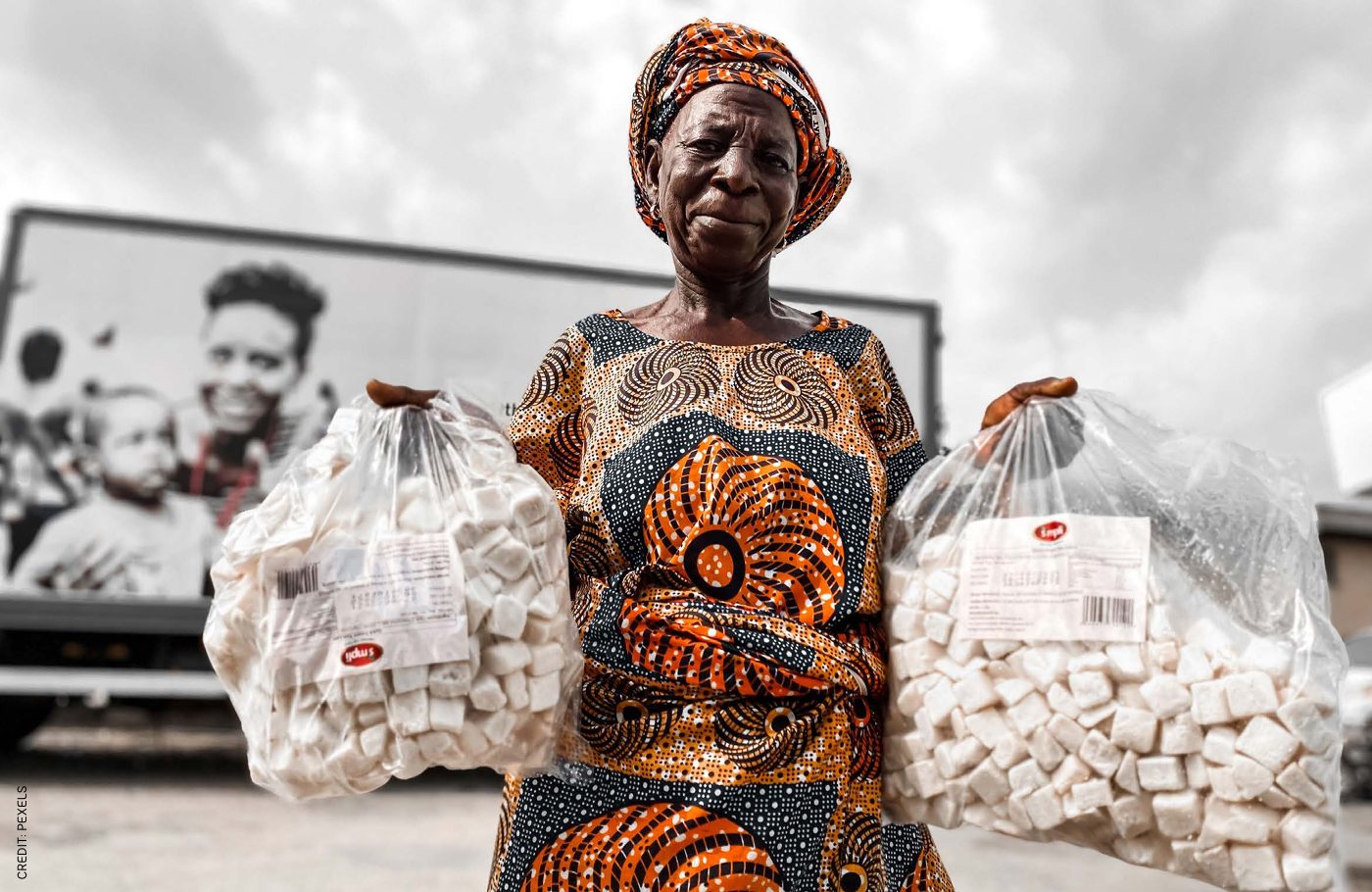
African producers face heavily subsidised competition from developed and emerging economies while their governments are constrained, both fiscally and by WTO rules, in supporting their own farmers. The result is that Africa, despite holding 60 % of the world’s uncultivated arable land, remains a net food importer, with an annual food import bill exceeding USD 50 billion. Africa should stop exporting raw materials and instead process locally. Special Economic Zones and Economic Processing Zones (EPZs) are identified as essential instruments, provided they are linked to domestic supplier networks and not operated as enclaves. The AfCFTA offers a market large enough to justify scale in processing and manufacturing, but its rules of origin and tariff schedules need to be aggressively used to favour “Made in Africa” goods.
2.3 The Digital Sovereignty Deficit
The digitalisation process becomes one of the major instruments in the spread of knowledge and collaboration. Nonetheless, this optimistic perspective should be approached with caution. Digital technologies are increasingly used across the African continent, but their benefits accrue mainly to external platforms and suppliers of hardware. Without developing its own data infrastructure, talent pool, and regulation for the development of domestic digital businesses, the continent runs the risk of becoming merely a digital consumer instead of becoming a digital producer. Digital sovereignty, which is viewed as the ability to control, store, and manage data locally, as well as develop its digital business, has recently become a policy objective. This idea directly affects the issue of industrialisation since digital technology does not operate as a separate industry but rather as a means for increasing competitiveness in manufacturing, logistics, and agriculture.
- Policy Recommendations
The following recommendations are sequenced by time horizon.
Short Term:
- Adjust AfCFTA Tariff Concessions to Industry Strategies. The government should urgently examine its schedule for tariff concessions under AfCFTA to ensure sufficient tariff protection for sensitive intermediate and capital goods essential for priority industries. This is not contrary to free trade; the AfCFTA permits the use of variable geometry and infant industry protection, subject to transparency and a clear timeframe.
- Link Import Licenses to Domestic Investments in Strategic Foodstuffs. Governments should consider an arrangement where import licenses will be issued only if a proportionate amount is invested locally in the production or processing of strategic food items like rice, wheat, and vegetable oil. This has been piloted in several African countries and will transform imports from foreign currency leakages into a tool for building local capacity.
Medium Term:
- Scale Up Economic Processing Zones with a Local Supply Chain Mandate. Instead of stand‑alone EPZs that import inputs, process and re‑export, governments should design zones with mandatory backward‑linkage targets. Tax incentives within the zones should be conditional on increasing the share of locally sourced inputs over time. Regional EPZ cooperation, for example, between Cameroon and Chad, can pool infrastructure costs and enlarge the local market.
- Invest in a Regional Digital Industrial Backbone. African governments, working through the African Union and Regional Economic Communities, should prioritise cross‑border fibre optic links, shared data centre capacity and interoperable digital payment systems. A regional instant payment switch, built on existing mobile money rails and supported by central banks, should be operational within three years. Financing can come from blending concessional development finance with private operator concessions.
Long Term:
- Call for a Digital Services and Data Protocol that spans the continent. The African continent should move from its fragmented data localisation laws, which currently exist country by country, to a coordinated system whereby data moves freely in the African continent but is required to be processed according to set standards by digital entities from outside Africa, such as requiring a certain percentage of their data to be stored in regional data centres. This can be achieved through negotiations for a modification to the AfCFTA using the ongoing negotiations on the Digital Trade Protocol.
- Recommend amendments to the WTO guidelines for agricultural subsidies and the infant industry. With MC14 behind us, the African trade ministers must create a coalition with a view to requesting changes to the rules concerning agricultural subsidies and infant industry that allow developing nation’s greater flexibility to use policies to subsidise agricultural inputs and credit and protect staple food value chains. These recommendations must be evidence-based.
- Conclusion
MC14 in Yaoundé was more than just a diplomatic achievement; it highlighted the fact that trade policy without a parallel policy to build productive capacities will amount to nothing. About Africa, there are policies that contain the strategies but fail to ensure the right sequence of events, the proper institutionality, and the necessary political will in order to place capacity building prior to importation. The above policy prescriptions are form the basis of thinking of what should be done: fast policy changes, intermediate investments in infrastructure and human capital development, and long-term institutional reforms. African governments need to continue advocating for policies that enhance their ability to produce, trade, and innovate.

