
















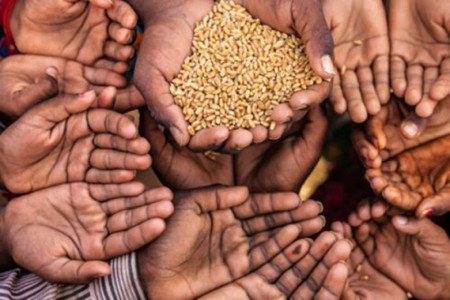
The European Union has released €485,000 (about CFA318 million) in emergency humanitarian funding to support crisis-affected populations in Cameroon’s Far North, North and East regions. The move follows deadly fires and worsening food insecurity, according to a European Commission press release issued in Yaoundé on 7 April 2026.
The funding addresses two urgent shocks: fires that destroyed camps for internally displaced persons in Kolofata in February, and a sharp deterioration in food security across several regions. According to the EU, the assistance aims to provide immediate relief to the most vulnerable households while stabilising access to essential goods and services in areas under growing humanitarian pressure.
Of the total, CFA154 million is allocated to victims of the Kolofata fires, while CFA164 million will target food insecurity in the Far North, North and East. The intervention, implemented by the Cameroon Red Cross, will deliver multi-sectoral support to 3,312 households (23,184 people) over five months. Cash assistance will enable families to prioritise spending on food, shelter, healthcare, water and hygiene, while also supporting local economies.
In parallel, the food security component aims to reach around 92,600 people. This includes direct cash transfers to about 2,100 households (12,600 individuals), combined with services in water, sanitation, health and nutrition. An additional 80,000 people will benefit from agricultural support programmes, including urban and pre-harvest farming, to restore local production and reduce reliance on external aid. The intervention targets high-risk areas where food stocks are depleted and displacement remains high.
The European Commission said the funding is channelled through the Disaster Response Emergency Fund (DREF) of the International Federation of Red Cross and Red Crescent Societies (IFRC), allowing rapid disbursement in response to sudden crises.
David Kerespars, head of EU humanitarian operations in Cameroon, said the Cameroon Red Cross plays a key frontline role thanks to its nationwide volunteer network, which enables rapid needs assessment and assistance delivery.
IFRC country head Adesh Tripaghee described the EU contribution as critical, stressing the need for close monitoring given risks of further shocks, including the upcoming flood season and external geopolitical pressures.
This latest allocation adds to the EU’s broader humanitarian support in Cameroon, which has reached €205 million since 2017. The funding has covered food and nutrition aid, healthcare, emergency shelter, education, water access and disaster preparedness, reflecting sustained engagement in addressing structural vulnerability and recurring crises.
Mercy Fosoh

