















Context
The security situation in Cameroon’s English-speaking regions (the Northwest and Southwest regions) continues to be characterized by a deeply ingrained cycle of violence, where acts by one party frequently lead to retaliatory actions from the other, intensifying the conflict and causing more misery for civilians. The people of these regions, having endured prolonged separatist movements for close to a decade, expect the defence and security forces to uphold their duty to protect civilians and their properties. However, reports of serious human rights violation by both defence and security forces and armed separatist groups have been documented. These reports indicate recurring allegations of excessive force by state forces, raising concerns about accountability. The increasing use of force and the high level of human rights violations have led to a breakdown in trust between the population and these forces. The state of Cameroon has an obligation to protect human rights through its legal framework, as outlined in its Constitution, the Penal Code and the Criminal procedure code, together with its international commitments through different treaties that it has duly ratified. Cameroon also has an institutional framework for human rights protection – the Cameroon Human Rights Commission and the different courts having the mandate to hear matters of human rights violations. Nevertheless, security forces, continue to commit human rights violations against civilians with impunity. The Anglophone conflict has deteriorated as a result of the state’s severe and usually violent response.
- Defence and security force violence in the English-speaking regions of Cameroon
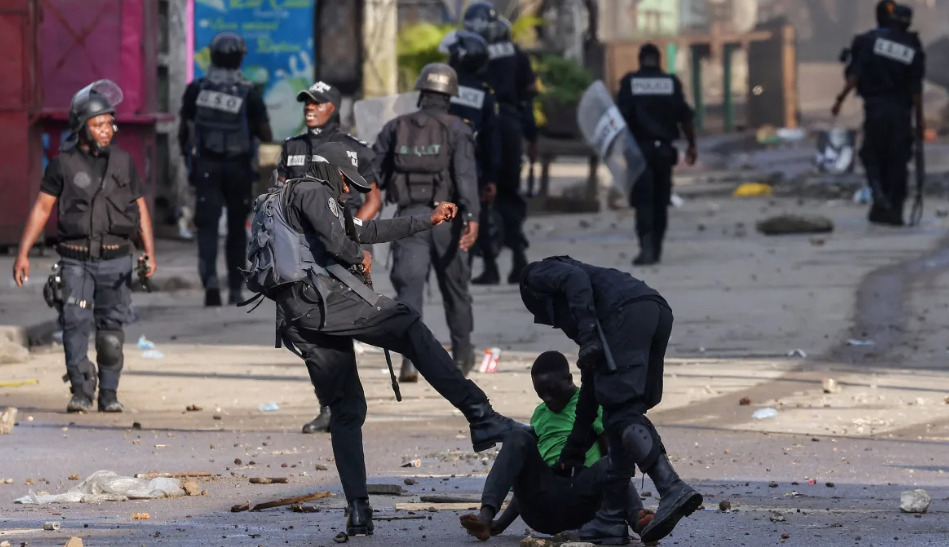
Security operations in the Anglophone regions are often viewed as being heavy-handed, with massive military deployments, community raids, and counter-insurgency strategies that make it difficult to distinguish between militants and civilians. Both state forces and armed separatists face recurring allegations of committing violations against civilians. Armed separatists have murdered, abducted, and harassed civilians, while continuously claiming authority over substantial portions of the Anglophone regions. Security forces who were deployed to put an end to the separatist movement have frequently been accused of employing excessive force, carrying out indiscriminate assaults, and targeting civilians suspected of cooperating with separatists. The UN Committee against Torture also expressed concerns about the serious allegations of human rights violation by defense and security forces. The government sometimes justifies these acts as essential to upholding law and order and fighting terrorism, but these such actions risk alienating the local population.
One particularly disturbing incident took place on April 10, 2025, where a young man in Buea was subjected to harassment, torture and extortion. Further reports indicate civilians protesting against alleged military brutality and extortion citing long-standing grievances and fear of security personnel preventing them from farming. The protests highlight a critical situation where civilian populations are experiencing significant human rights violations and economic disruption due to the actions of security forces. Again, incidents of harassment, unlawful arrest, and detention of university students by defense and security forces in Bambili, Northwest region, occurred shortly before Cameroon’s National Unity Day celebration on May 20th. Community members in Lassin village have reported allegations of sexual violence against school girls, with limited visible response or accountability measures from authorities.
The perpetration of these atrocities by defence and security forces in the Anglophone regions are driven by several factors including lack of accountability, widespread impunity, inadequate training on human rights, poor discipline, and the idea that it is necessary to ‘crush’ down separatist movements, which frequently results in the collective punishment of civilian populations. The motivation for harassment, intimidation, and extortion of money from civilians is often linked to economic hardship, internal corruption and a sense of unfettered power in a conflict zone with little oversight. These actions, many of which are unreported, contribute to a climate of fear and distrust, further exacerbating the humanitarian crisis in the Anglophone regions. The nature and trends of violations within the context of the crisis in the Anglophone regions over the past years demonstrate a systematic disregard for civilian protection during military operations. Furthermore, the absence of transparent investigations into these abuses and the impunity of offenders further solidify the public’s perception that the government supports such actions, thereby diminishing any remaining trust in the justice system and the security forces themselves.
- Implications of security force violence on trust in military ability to protect civilians
There are usually serious and complex repercussions when state forces, who are supposed to protect civilians during armed conflicts, act contrary to their supposed duty and resort to different forms of violence against the civilians. The principles of human rights law and international humanitarian law, which expressly forbid such acts and require nations to safeguard their citizens, are seriously undermined by these violations. The immediate effects have been the significant civilian casualties, such as deaths, forced displacement, physical and psychological trauma, among others recorded in these regions. Research has shown that when human rights are violated, violent protests, terrorism, and/or civil conflict are more likely to start or worsen where there is existing conflict.
Beyond the direct physical harm, in the Northwest and Southwest regions, such violence feeds retaliation and conflict cycles, and social order is at the verge of collapsing. Perhaps this also accounts for the continued violence in these regions. Trust in state forces in these regions appears increasingly eroded, and this has had several implications. Firstly, civilians who used to cooperate with state forces by reporting crimes or providing intelligence on armed separatist groups are reluctant to do so. This impedes successful counter-insurgency efforts and lengthens the conflict.
Moreover, many civilians perceive the security apparatus as an agent of repression rather than protection, which undermines trust and legitimacy. There has been a rise in support for separatist movements because some civilians now see them as the sole practical alternative for protection. Regrettably, very little action has been taken by the state to address the issue despite several calls from international organizations about the state of human rights in Cameroon.
- Conclusion and Policy pathways
The erosion of trust in security forces in the Anglophone regions of Cameroon is of critical concern, as it has led to decreased civil-military cooperation and a worsening of the Anglophone crisis. The following policy options offer the government a strategic pathway to rebuild trust between the security forces and the civilian population, which is very central to achieving lasting peace and reconciliation.
- A crucial first step is for senior military and government officials to formally acknowledge and where appropriate, apologize for alleged human rights violations. This is not just a symbolic gesture, but an important step toward healing and reconciliation.
- The government could establish an independent investigative body within six (6) months, comprising both national and international human rights and legal experts to investigate allegations of violations by security forces, as well as establish a clear reporting framework that regularly updates citizens on the status of such investigations and prosecutions of perpetrators. This will show ongoing accountability and transparency.
- A priory step is for both state forces and non-state armed groups to commit to halting violence against civilians, ideally through confidence-building measures and structured ceasefire talks.
- The government should reinforce trainings on International Human Rights Law (IHRL), International Humanitarian Law (IHL), and the law on the use of force in military and police academies in Cameroon. These trainings should not just be one-off, but should be continuous through annual refresher courses and workshops. This is essential to cultivate in Cameroon’s security forces a culture of respect for human rights and adherence to international and domestic legal frameworks.
- The state could consider establishing national reparation programs. This reparation should be in the form of medical and psycho-social support, rehabilitation services and financial compensation for damages.
- The defense and security forces in the English-speaking regions should interact with the media in a proactive and open manner, to combat misinformation and give factual updates about its operations and efforts to protect civilians.

Muriel M. Kinkoh
Muriel Kinkoh is Research assistant at the Peace and Security division of the Nkafu Policy Institute. Prior to joining the Foundation, she was administrative and coordination intern at ILIAN Consulting Company Limited; supporting advocacy, peacebuilding and conflict resolution programming.

