
















Douala’s city government says it plans to step up legal action against the illegal occupation of public land reserves as pressure on urban space continues to grow across Cameroon’s economic capital.
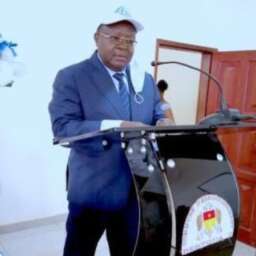
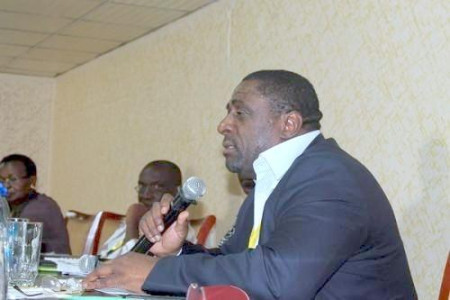
Speaking during a workshop held May 5 on the protection of reserved spaces in approved housing developments, Mayor Roger Mbassa Ndine announced a tougher judicial approach targeting unauthorized occupants.
For city authorities, the issue now goes far beyond routine urban policing.
Officials say the gradual occupation or diversion of land originally reserved for roads, schools, health centers, markets and public spaces is weakening Douala’s ability to plan for future growth and raising the long-term cost of infrastructure development.
In many urban subdivisions, portions of land are theoretically set aside for public facilities and transportation networks.
But illegal construction and informal occupation have steadily reduced the amount of land available for future public projects as the city expands.
City Warns of Rising Costs From Lost Land Reserves
According to the city government, every public land reserve lost today creates more expensive trade-offs later.
Authorities say the city is increasingly forced to search for alternative land, redesign development plans or allocate additional funding for projects that should have been integrated into the urban layout much earlier.
In response, the municipality says it is prepared to rely more heavily on fines, demolitions and court proceedings.
Officials also warned that developers involved in the sale of unapproved subdivisions could face penalties under existing land and urban planning laws.
The tougher stance comes as Cameroon’s government simultaneously pushes to modernize land management through the digitalization of the national cadastre.
Authorities say the process should improve land title traceability, strengthen identification of public-use land reserves and reduce irregular land registrations.
Beyond the legal disputes, city officials view the issue as part of a broader challenge linked to urban sustainability.
In a fast-growing city like Douala, the gradual disappearance of available public land makes long-term urban planning more difficult, deepens spatial inequalities and increases the future cost of public infrastructure investment.
Frédéric Nonos

