


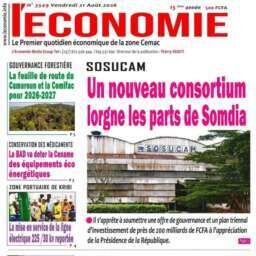













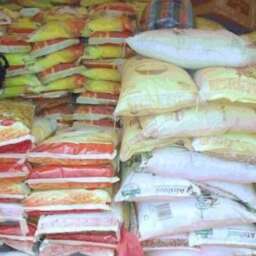







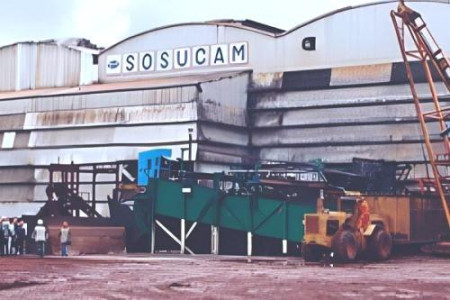
Cameroon’s leading sugar producer, Sosucam, has invested CFA2.5 billion in a new sugar cube production unit at its Nkoteng site, according to information obtained by Business in Cameroon. Fully financed with internal funds, the project began more than two years ago and is now operational, a senior executive at the Castel Group subsidiary confirmed.
The facility has a daily production capacity of 100 tons and is expected to strengthen the company’s position in the processed sugar segment. It replaces an older unit in Mbandjock, which had become outdated and less suited to current technical standards.
Through this investment, Sosucam aims to improve product quality and modernize its industrial processes. Internal sources say the company is also looking to solidify its foothold in the domestic market as demand shifts and competition increases across certain segments.
The additional capacity could help the producer better meet demand from both households and industrial clients, while reinforcing its presence in the local market.
The move comes as Cameroon’s sugar industry enters a period of restructuring. Several operators are working to expand output in a market that remains structurally undersupplied.
Wega Food, based in Douala’s industrial zone, is one of them. The company plans to raise its production capacity to 700 tons per day through an expansion project nearing completion.
This broader push reflects efforts by industry players to boost national supply. At the launch of the 2025/2026 production season, Sosucam had already pointed to a challenging global environment, citing support policies in major producing countries such as Brazil and India.
According to the company, these subsidies keep global prices artificially low, fueling calls from importers in Cameroon for greater market liberalization. Sosucam has argued for regulatory stability, warning that excessive deregulation could harm local production.
Despite these investments, pressure on the domestic market remains high. Data from the National Institute of Statistics shows that Cameroon exported 8,047 tons of sugar in 2025, up sharply from 512 tons in 2024.
This increase comes even as the country faces a structural supply gap. With annual production typically ranging between 120,000 and 160,000 tons, Sosucam meets only part of national demand, which is estimated at around 300,000 tons. The shortfall regularly leads authorities to authorize imports to stabilize supply.
In this context, the rise in exports raises questions less about international competitiveness and more about trade flows. It may reflect short-term sales to more profitable neighboring markets rather than a lasting expansion of Cameroon’s sugar exports.
An industry source told Business in Cameroon that some of these volumes could represent re-exports to nearby countries, although this has not been officially confirmed.
The tension is not new. In 2022, Cameroonian authorities temporarily banned exports of several essential goods, including sugar, to the Central African Republic. The goal was to limit outflows to higher-paying markets at a time when domestic supply shortages were already evident.
Amina Malloum

