































(Business in Cameroon) – Cameroon’s florists and horticulturists are calling for significant government investment to cultivate the local flower industry, as the nation’s growing demand is increasingly met by foreign suppliers. The need for support is highlighted by a massive trade imbalance, with Cameroon importing over 21 billion FCFA worth of cut flowers from Kenya in 2023 alone, according to United Nations Comtrade data.
Leaders in the sector argue that strategic government backing could transform the industry, currently dominated by small-scale entrepreneurs, into a major economic contributor. “We need the government to turn its attention to us, finance flower production, and promote the consumption of locally produced flowers,” urged Joel Lafleur Ateba, President of the Centre Regional Syndicate of Horticultururists, Gardeners and Florists-Decorators. He emphasized that the sector already provides vital employment for young people and supports a network of gardeners and florists who generate tax revenue.
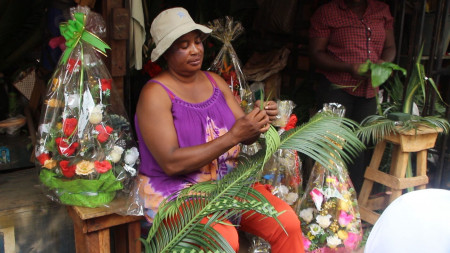
The challenge lies in the type of flowers in demand. While Cameroon produces species like Anthurium and Peace Lily in regions like Buea and Penja, popular ceremonial flowers are almost exclusively imported. “Exotic varieties including roses, carnations, lilies, and chrysanthemums are mostly imported from Kenya,” explained local florist Jean Michealle. This forces vendors to rely on foreign supply chains to satisfy customers for weddings, official events, and holidays.
The economic potential of closing this gap is substantial. Economist Dr. Emelem Regina noted that strengthening domestic production would do more than just reduce imports. She explained that large-scale flower cultivation could stimulate related sectors, including cosmetics, tea, natural insecticides, and funeral services. “The constant demand for fresh flowers already drives business for farmers, transporters, and suppliers,” Dr. Emelem said. “Developing domestic plantations for exotic blooms presents a clear opportunity for national economic expansion.”
Despite the reliance on imports, local florists demonstrate the sector’s viability. Joseph Mbena, a florist in Yaounde, noted that profits can reach around 500,000 FCFA during high-demand periods like Valentine’s Day. Many vendors have also turned to social media to expand their customer base, proving the industry is adaptable and ready for growth. The core message from the industry, however, remains a plea for the government to help cultivate local potential and turn a major trade deficit into a homegrown success story.
Mercy Fosoh

