














Cameroon plans to launch a new CFA3.5 billion program aimed at training and supporting young entrepreneurs in the country’s northern regions, where communities continue to face the long-term effects of insecurity and economic hardship.
The initiative is part of the fourth phase of the Project to Support the Socio-Economic Resilience of Vulnerable Youth in Northern Cameroon, known as Parse IV.
Details of the program were presented during the project’s first steering committee meeting held May 8 in Yaoundé.
The project is financed mainly by Germany through development agency GIZ, which is contributing €5 million, or about CFA3.28 billion.
The Cameroonian government is adding CFA225 million in counterpart funding, bringing the total budget close to CFA3.5 billion.
Program Targets 1,000 Young People
Parse IV is scheduled to officially begin Dec. 1, 2026, and run through Dec. 31, 2028.
The program will operate across 12 municipalities in the Adamawa, Far North and North regions.
Authorities say the project aims to train and support 1,000 young people during the period.
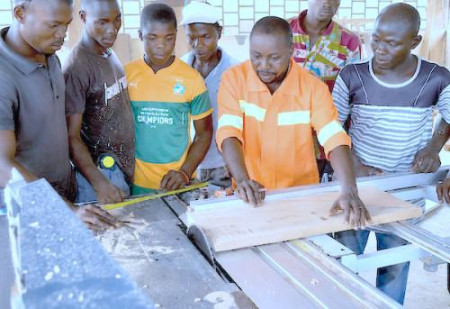
According to the steering committee, the new phase will combine several areas of support within a single program, including professional training, entrepreneurship promotion, mental health support, community strengthening and adaptation to climate-related challenges.
Officials also recommended introducing quotas for people living with disabilities and expanding digital entrepreneurship training within the program’s curriculum.
Participants further called for all training activities to be carried out exclusively through state-recognized institutions.
Program Linked to Recovery Efforts in Northern Cameroon
The initiative continues a broader cooperation program between Cameroon and Germany launched in 2016 in response to the socio-economic impact of Boko Haram violence in the country’s northern regions.
According to Rico Langeheine, GIZ’s resident director in Cameroon, the project is designed to strengthen long-term economic independence for young people living in fragile areas affected by years of insecurity.
The first three phases of the program received funding of €10 million between 2016 and 2019, €5.5 million between 2020 and 2022 and €5 million between 2023 and 2025.
According to figures presented during the steering committee meeting, those earlier phases helped support more than 7,500 vulnerable young people through vocational training, business starter kits and technical and financial assistance.
Frédéric Nonos

