


























From 2026, interest on mortgage loans, as well as the sale and rental of social housing units in Cameroon, will no longer benefit from a value-added tax (VAT) exemption. Under the 2026 state budget law, these transactions will now be subject to a reduced VAT rate of 10%, compared with the standard rate of 19.25%.
At the Directorate General of Taxation (DGI) within the Ministry of Finance, officials describe the measure as an adjustment to the tax framework. They say the intermediate rate aims to address inefficiencies linked to exemptions while remaining below the standard VAT rate. According to DGI projections, the reform should generate more than CFA3 billion in additional tax revenue for the public treasury from 2026.
The broader tax base, however, comes at a time of rising public financing needs and sustained pressure in the social housing segment. In practical terms, the 10% VAT applies both to project costs, through higher borrowing expenses, and to household access, through higher sale and rental prices, at a time when housing supply remains far below demand.
Pressure on social housing projects
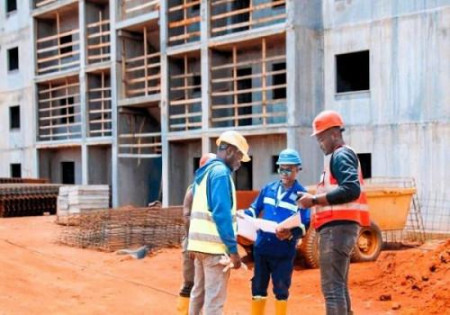
Official figures show that Cameroon has faced a social housing deficit of about 2.5 million units in recent years. To address this gap, the government launched a program in 2009 to build 10,000 social housing units, alongside the development of 50,000 serviced plots, with a pilot phase of 1,675 units.
Sixteen years later, the program has reportedly delivered only about 2,000 housing units in cities including Yaoundé, Douala, Bafoussam, Limbé, Bamenda, and Sangmélima, highlighting persistent implementation challenges. Authorities say discussions have taken place with several private partners, including Pnhg, Addoha, Lafak, and Wagas, to complete preparatory steps ahead of new construction phases.
Access to land remains a key structural constraint. To this challenge, a new fiscal parameter now adds further pressure on project economics. The introduction of a 10% VAT on social housing operations, covering loan interest, sales, and rentals, raises investment costs and the final price of housing. This shift could weigh on partnerships between the state and private developers involved in social housing projects.
Brice R. Mbodiam

