































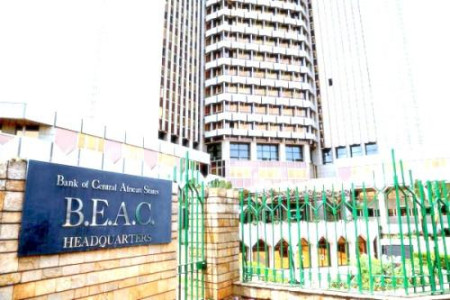
Commercial banks across the Central African Economic and Monetary Community (CEMAC) are borrowing more heavily from the Bank of Central African States (BEAC), signaling stronger demand for central bank liquidity after recent interest rate cuts.
During its latest liquidity injection operation on July 22, the BEAC received refinancing requests totaling CFA680 billion, up from CFA535.5 billion recorded on July 14, according to the central bank. The latest figure marks the highest level in several months.
The renewed appetite for BEAC funding follows the Monetary Policy Committee’s decision to lower its two main policy rates, effective June 29.
The main refinancing rate, known as the tender interest rate (TIAO), was cut from 4.75% to 4.50%, reducing the cost at which commercial banks borrow from the central bank.
At the same time, the marginal lending facility rate, which applies to 24-hour loans extended to commercial banks, was lowered from 6.25% to 5.75%.
Will Cheaper Liquidity Reach the Real Economy?
According to the BEAC, the easing of refinancing conditions is intended to improve financing across the six-member CEMAC bloc, which includes Cameroon, the Central African Republic, Chad, the Republic of the Congo, Equatorial Guinea and Gabon.
In theory, lower refinancing costs should encourage banks to reduce lending rates and extend more credit to businesses and households. Whether that happens, however, remains uncertain. Future data on lending rates, new loan volumes and the distribution of credit between the public and private sectors will determine whether the surge in BEAC refinancing translates into stronger economic activity.
Another possibility is that banks are increasing their borrowing to expand investments in government securities rather than private-sector lending.
Commercial banks have long been the largest holders of government debt issued by CEMAC member states through the regional Treasury securities market operated by the BEAC. As a result, governments have remained the primary recipients of bank financing, while the private sector, widely viewed as the main engine of economic growth, continues to receive a smaller share of available credit.
BRM

