


























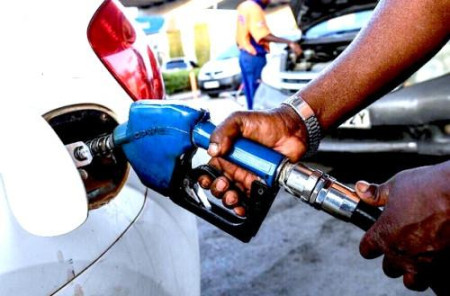
Nigeria is strengthening its position as a major supplier of fuels and lubricants to Cameroon, accounting for 18% of imports in this segment between 2024 and 2025, according to a report from Cameroon’s Ministry of Finance.
The data show that Cameroon imported fuels and lubricants worth CFA974 billion in 2024 and CFA788 billion in 2025. Based on an 18% share, Nigerian supplies are estimated at around CFA175.3 billion in 2024 and CFA141.8 billion in 2025, for a combined total exceeding CFA317 billion over the two years.
This places Nigeria among Cameroon’s top suppliers, behind Belgium, which accounts for 36% of imports, but ahead of the United States (9%), India (8.5%), and the United Kingdom (6.4%).
The shift comes amid changing energy trade patterns in West Africa, driven in part by the rise of the Dangote refinery in Nigeria. With a processing capacity of 650,000 barrels per day, the facility is boosting the country’s ability to export refined products across the continent, including to Cameroon.
According to AFP-cited data, the refinery recently shipped 12 cargoes totaling about 456,000 tons of fuel to several African countries. This trend is unfolding in a tense global environment, as disruptions linked to the Middle East conflict push African countries to diversify and regionalize their supply sources.
Shipping data confirm the acceleration. In March, Nigerian exports of refined products reached about 214,000 barrels per day, up from around 100,000 barrels per day in February. Over the same period, volumes directed to African markets more than doubled, rising from about 38,000 to nearly 90,000 barrels per day.
A growing regional supplier
Beyond volume growth, Nigeria is increasingly seen as a strategic regional supplier for Cameroon’s energy needs. This reflects a broader shift toward sourcing from nearby markets, at a time when traditional suppliers in Europe, North America, and Asia remain exposed to global oil market volatility.
Sourcing from closer partners such as Nigeria (18%) and Togo (7%) offers logistical advantages, including shorter delivery times. However, this shift does not eliminate Cameroon’s exposure to global energy shocks—it changes how those shocks are transmitted.
The trend also revives the question of long-term supply security. In a context of volatile prices and geopolitical risks, strengthening domestic refining capacity—particularly around the national refinery—remains a key issue for Cameroon as it seeks to reduce its vulnerability to external shocks.
Amina Malloum

