





























Cameroon is stepping up efforts to revive its coffee industry by investing in local processing capacity, a move officials see as key to rebuilding a sector weakened over decades.
On March 12, Agriculture Minister Gabriel Mbaïrobé inaugurated a new coffee roasting plant in Bafoussam, built by the Central Union of West Cameroon Agricultural Cooperatives (UCCAO). The facility is designed to strengthen domestic value addition and support the recovery of coffee production in the country.
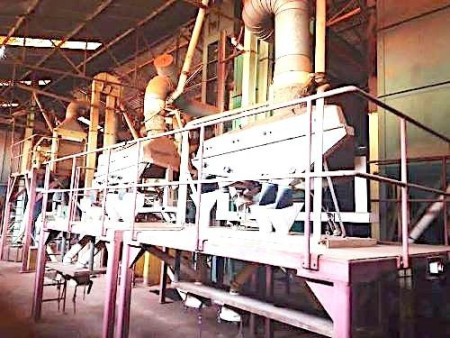
The project, which cost CFA1.05 billion, was financed through a public-private partnership combining CFA700 million from the state and CFA350 million from UCCAO. The plant can process up to 6 tons of coffee over an eight-hour shift and automates the entire production chain—from hulling and grading to grinding and packaging—for both arabica and robusta beans.
Mbaïrobé said the facility is expected to help increase coffee output in the western region while creating both direct and indirect jobs. He described the investment as a concrete step toward rebuilding a sector that has long struggled and as part of a broader push to expand local processing.
The minister also announced plans to add an instant coffee production line in the near future. The expansion is intended to support import substitution by reducing reliance on foreign products while encouraging domestic consumption. UCCAO also sees the project as a way to give farmers better market access and improve their visibility in the value chain.
Beyond volumes, the cooperative is aiming to preserve and strengthen the quality of Cameroonian coffee, which still holds a solid reputation internationally. The new facility comes as the sector continues to recover from the disruptions that followed its liberalization.
After years of decline, coffee production is showing signs of improvement. In 2025, marketed volumes reached 11,637 tons, up 10%, with a total value of CFA3.5 billion—more than triple earlier levels. The rebound has been driven mainly by robusta, a segment where Cameroon is working to strengthen its competitive position.
Frédéric Nonos
