






















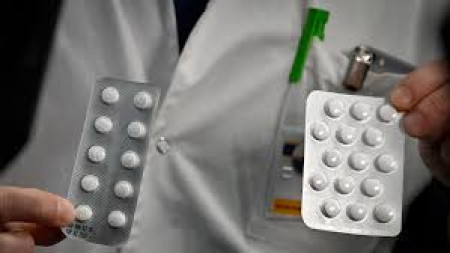
(Business in Cameroon) – The Minister of Public Health, Dr Manaouda Malachie has revealed that counterfeit medicines worth about FCFA 369,814,128 was seized in the country, in the first half of 2025. The minister made the revelation in a declaration to mark the African Day of the Fight Against Fake Medicines.
According to the Minister, the country is facing “a real threat” from counterfeit pharmaceuticals circulating in markets, neighbourhoods, households, streets and digital platforms, and occasionally infiltrating formal supply chains. He stated that the continued spread of falsified medicines jeopardises public health outcomes, undermines national development efforts and generates significant economic risk for the country.
Official figures released by the Ministry show that Cameroon has intensified surveillance and regulation of pharmaceuticals as part of the health system transformation agenda. The FCFA 369.8 million seized in early 2025 brings total counterfeit drug seizures to FCFA 8,692,165,774 since 2020.
According to the declaration, market surveillance prevented the infiltration of about 80 lots of counterfeit medicines into the national supply chain since 2023. Routine import controls uncovered several non-compliant pharmaceutical containers that were all rejected. The Ministry confirmed that 55 websites illegally selling medicines have been shut down by BCN-INTERPOL in collaboration with ANTIC, meanwhile, regular field inspections have resulted in warnings to several structures and the sealing of others for serious violations.
The Minister also cited data from the World Health Organisation, WHO, showing 267,000 annual deaths in Africa linked to falsified antimalarial drugs and over 100,000 deaths linked to substandard or falsified antibiotics.
He stated that the strengthened platform for coordinating pharmaceutical regulatory structures has improved supply-chain regulation, while a national traceability system for pharmaceutical products is now operational. Border operations and joint seizures have increased, and community sensitisation campaigns continue across the country.
According to the minister, Cameroon’s actions form part of a broader health-sector transformation agenda, including the rollout of Universal Health Coverage and a national system for pharmaceutical traceability. The declaration stressed that regional and multisectoral collaboration remains crucial, as the illicit drug trade operates across borders.
Government measures now include functional regional and departmental anti-counterfeit committees, systematic audits of pharmaceutical manufacturing sites, intensified border checks and the development of a local pharmaceutical industry, with about 50 locally-produced medicines already homologated. The Minister emphasised that counterfeit medicines represent both a health and economic challenge requiring sustained national and African-wide coordination.
Mercy Fosoh
