



























(Business in Cameroon) – The Investment Promotion Agency of Cameroon (IPA) has announced a major investment agreement with DYA Group, led by the Cameroonian businessman Oumarou Fadil. This deal stands as the ultimate disclosure of a four-month period of intense activities by the IPA, during which nearly 500 billion CFA francs in new commitments have been secured across strategic sectors.
This volume of deals represents strong progress toward Cameroon’s target of attracting 2 billion USD in foreign direct investment. While a portion of the investors are locally based, the scale of the agreements signals growing confidence in Cameroon’s economy and confirms the IPA’s effectiveness in mobilizing both foreign and domestic capital.
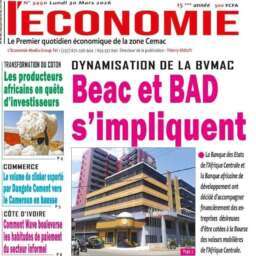
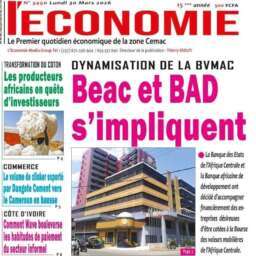
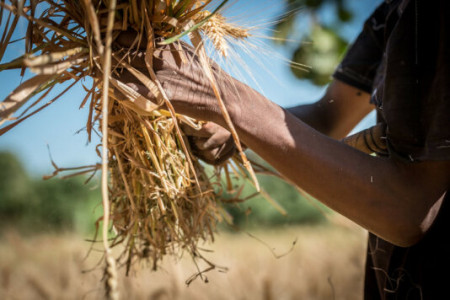
Since July, the agency has already announced six new investments. Among them is a planned cereal processing plant in Garoua, reported by Le Financier d’Afrique, which will enhance the country’s agro-industrial capacity, create jobs, and strengthen food security in the northern regions. Such projects reflect how industrial investment is beginning to spread across the country beyond traditional urban centers. It also comes at a time when the Bank of Central African States, BEAC, has called for its member countries to prioritize local transformation, so as to curb over dependence on imports.
This milestone also follows a series of international missions conducted by the IPA in Abidjan, Paris, and the Middle East, where officials secured several strategic partnerships. At the same time, the confidence of leading local business figures such as Fadil demonstrates that Cameroonian entrepreneurs are stepping forward to play a critical role in the country’s economic transformation.
With close to half a trillion CFA francs mobilized in just four months, the IPA is building momentum that could reshape Cameroon’s investment landscape. The challenge ahead will be to ensure that these commitments are translated into concrete projects, implemented with transparency, and connected with local small and medium-sized enterprises. If sustained, this pace could allow the country not only to meet but potentially to exceed its 2 billion USD FDI target, positioning Cameroon as a growing hub for agro-industry, energy, and infrastructure in Central Africa.
Analysts say if the project succeeds, it could help reduce Cameroon’s costly food imports and strengthen the economy of the country’s North, which has often lagged behind coastal regions in industrial development.
Mercy Fosoh
