



























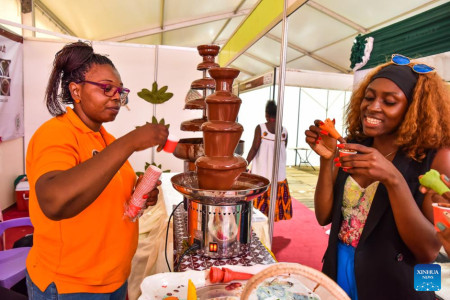
Cameroon is seeking to capture more value from its cacao and coffee sectors by shifting from raw exports to domestic processing. The strategic direction was highlighted at the third edition of the Festi Cacao & Coffee, held from 26 to 28 March in Yaoundé.
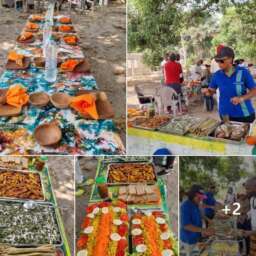
The festival, organised with support from the Ministry of Commerce, brought together producers, processors, international buyers and industry stakeholders to assess progress across the full length of the value chain from farm-level production to retail-ready finished goods.
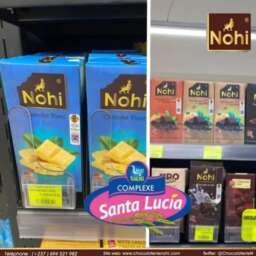
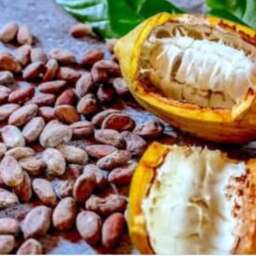
Among the most prominent exhibitors was Ca’oly, a Yaounde-based cacao processor with an annual transformation capacity of approximately 24,000 tonnes of beans and a total investment of 700 million CFA Francs. The company produces cacao powder, cacao butter, chocolate spreads, dessert creams, cacao nectar and other derived products; a downstream model designed to retain value domestically rather than export raw beans at lower margins.
The festival drew notable international participation, with Nathalie Duperrier, founder of French chocolaterie Schouka, based in Chamonix Mont-Blanc and retailing in Annecy and Lyon attending as a jury member for the festival’s best pastry competition, which recognised young talent in chocolate-based confectionery.
Duperrier said Cameroonian beans account for more than half of Schouka’s total production. “It is a bean that is very intense in cacao and very popular with French consumers,” she said, adding that her light-roasting approach, designed to preserve the subtlest aromatic notes depends critically on fermentation quality at origin.
“A good fermentation is one that lasts six days, because it is during fermentation that the cacao’s aromatic profile is created. Unlike other industrialists, we roast our cacao lightly in order to bring out the subtlest notes of the bean,” she explained.
Traceability and farmer training identified as critical bottlenecks
Duperrier identified farmer training, traceability and fermentation standards as the primary conditions for Cameroon to consolidate its position as a premium cacao source. “What is essential is the training of cacao farmers so that they harvest and remove pods at the right time, and send their white beans to fermentation centres as quickly as possible, in order to obtain excellence,” she said.
The observation points to a structural challenge: premium pricing in international chocolate markets is increasingly tied to verifiable quality standards at origin, meaning farm-level practices directly determine the export revenue Cameroon can command. Panel discussions at the festival examined sustainability and the long-term conditions for growth across both sectors, reinforcing the event’s broader framing as a platform for industry strategy rather than a trade showcase alone.
Mercy Fosoh
