






























- Agricultural export prices in CEMAC fall 14.5% in fourth quarter 2025
- Cocoa drops 21.3%, while energy prices decline 6.4%
- Overall commodity index down 9.5% amid weaker global conditions
Export prices for agricultural goods from CEMAC countries fell 14.5% in the fourth quarter of 2025, according to the Composite Commodity Price Index (ICCPB) published by the Bank of Central African States (BEAC).
The drop was steeper than in the previous quarter, when prices declined 10.3%, pointing to tougher conditions on agricultural commodity markets.
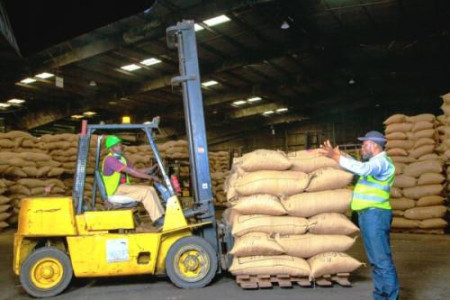
BEAC said cocoa played a major role in the decline, given its weight in regional exports. “This development is linked to falling prices across most agricultural markets,” the central bank said. The sharpest declines were recorded in cocoa (-21.3%), sugar (-10.7%), rubber (-6%) and cotton (-4.3%).
For CEMAC economies, the trend raises the risk of pressure on export revenues and, in turn, on external balances and foreign currency liquidity.
The downturn was not limited to agriculture. BEAC also reported a reversal in energy markets. “Energy product prices fell 6.4% in the fourth quarter of 2025, after rising 1.3% in the third quarter, due to the simultaneous decline in crude oil and natural gas prices,” the report said.
For a region where hydrocarbons remain central to several economies, the drop adds a second source of strain on export income.
Overall, BEAC said the CEMAC ICCPB declined 9.5% between October and December 2025, extending a downward trend that began in the second quarter. The central bank attributed the decline to “the simultaneous fall in energy and non-energy products,” citing “uncertain global macroeconomic conditions and supply-demand adjustments in individual market segments.”
The ICCPB tracks the prices of 20 commodities exported by CEMAC countries, representing 90% of total export value. The basket includes energy products, metals and minerals, forest products, agricultural goods and fisheries.
The index serves as an early indicator of the price conditions facing the region, with direct implications for terms of trade and broader macroeconomic stability.
BRM
