






























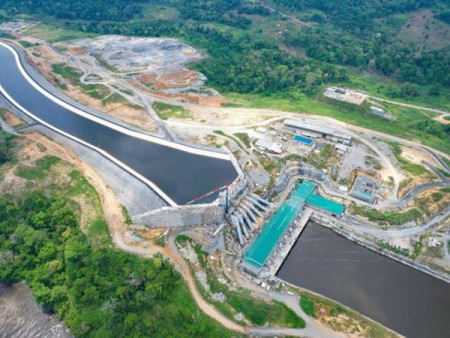
Cameroon’s energy minister has called for a restructuring of the electricity sector, with unpaid obligations to Nachtigal Hydro Power Company (NHPC) nearing 70 billion CFA Francs (XAF).
He made the remarks on 18 March during a visit to the Nachtigal Hydroelectric Power Plant in the Upper Sanaga Division, stressing the need for reforms to restore financial stability across the electricity value chain.
According to official sources, the arrears, accumulated progressively since mid-2025, reflect persistent payment shortfalls within the sector, particularly at the level of the national distributor. Monthly invoices of about XAF10 billion have continued to accrue since January 2026, tightening liquidity at NHPC and raising concerns over its ability to meet operating and debt service obligations. By early 2026, the company had reportedly exhausted most of its available cash reserves and defaulted on funding its loan repayment account.
Authorities say the situation reflects structural imbalances in the sector and requires reforms to improve financial viability. As part of the response, the government is negotiating a CFA100 billion revolving fund with domestic banks to ensure regular settlement of invoices to producers. Initial contributions have been partially disbursed, while additional commitments remain under review, as existing guarantees have largely been utilised.
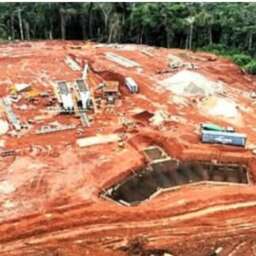
Despite these financial pressures, the Nachtigal plant remains a central pillar of Cameroon’s electricity supply. Commissioned into full service in May 2025 after six years of construction, the 420-megawatt facility contributes approximately 30% of power on the Southern Interconnected Grid and generated over two terawatt-hours of electricity in 2025. Current output fluctuates between 200 and 283 megawatts due to seasonal hydrological conditions, but the plant retains full capacity under optimal conditions.
Authorities also attribute part of the sector’s financial imbalance to widespread electricity fraud, which results in estimated annual losses exceeding CFA60 billion and weakens revenue collection.
State intensifies crackdown on electricity fraud
In parallel with the reform push, a nationwide anti-fraud operation was launched on 15 March 2026 across major urban centres, targeting illegal grid connections, unauthorised networks, and meter tampering.
In Douala’s New Deido neighbourhood, numerous informal connections linked directly to electricity poles were dismantled, while in Yaounde, suspected operators of clandestine distribution networks supplying hundreds of households were apprehended. Additional inspections in districts such as Obili and TKC crossroads uncovered dozens of unauthorised connections to both residential and commercial properties.
Technical investigations have identified practices including bypassing prepaid meters, reconnecting power after disconnection, and combining legal and illegal supply lines within the same installation. Joint teams of engineers and law enforcement personnel have been deployed nationwide to dismantle these systems, enforce compliance, and restore integrity to the national grid.
Amine Homman Ludiye, Director General of Energy of Cameroon (ENEO), said the campaign marks an escalation of efforts to stabilise the sector’s financial base by reducing losses and improving revenue collection. He added that electricity fraud also poses safety risks, with an estimated 40 fatalities recorded annually due to illegal connections.
“The priority is to stop the financial haemorrhage, secure revenues, and ensure the sustainability of electricity supply,” he said, noting that measures against offenders include disconnection, financial penalties, and referral to judicial authorities under provisions of the Penal Code.
Mercy Fosoh
