






















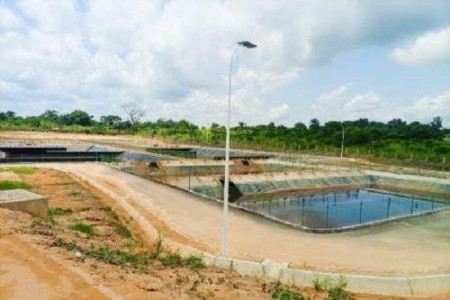
Starting March 20, Rocoby, a Cameroonian sanitation services firm, will take over operations and maintenance of Douala’s new fecal sludge treatment plant (STBV) in Ngombè, in the city’s 5th district.
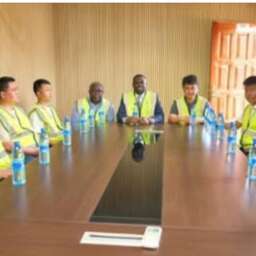
The announcement was made on March 17 by Deputy Mayor Gérémie Sollè during a meeting with the operator and local waste collectors. The decision also formalizes the closure of the Youpwè filtration site, which had served as the city’s main dumping location for decades.
Rocoby was selected through a competitive tender and secured a renewable three-year lease contract. The value of the contract was not disclosed. Already operating a similar facility in Yaoundé, the company will now work with Douala’s waste collectors, offering one month of free discharge to allow them to adapt to the new system.
After that period, operators will be charged CFA400 per cubic meter of sludge—equivalent to at least CFA6,000 per truck—compared with CFA1,500 previously paid at Youpwè. The increase has been criticized by waste collectors as too high. In response, the Douala City Council, Rocoby, and operators have agreed to review pricing to strike a balance between affordability and the facility’s financial viability.
The Ngombè plant was financed through an CFA8 billion World Bank loan and built over 24 months by China First Highway Engineering Co. (CFHEC). Its launch comes as Douala continues to face major challenges in managing fecal sludge.
According to a study by GFA Consulting, the city produces about 1,000 tons of sludge each year. Less than 20% is currently treated, mainly by private operators. The rest—around 84%—is illegally dumped in the Bois des Singes area in Youpwè.
The new facility is expected to reduce health and environmental risks while enabling the reuse of sludge as compost. It will also be complemented by a planned solid waste treatment project covering 60 hectares, for which feasibility studies have already been completed.
Frédéric Nonos
