































Douala is set to inaugurate a high-capacity paving stone production plant aimed at improving road maintenance while reducing infrastructure costs for the municipality. The facility, located in the Ndobo area of Douala IV, is scheduled for inauguration on 15 April.
City mayor Roger Victor Mbassa Ndinè visited the production site on 3 March alongside Littoral governor Samuel Dieudonné Ivaha Diboua, traditional authorities and other guests. Municipal officials say the plant is intended to strengthen the city’s capacity to manage and maintain its road network independently while accelerating infrastructure projects in Cameroon’s economic capital.
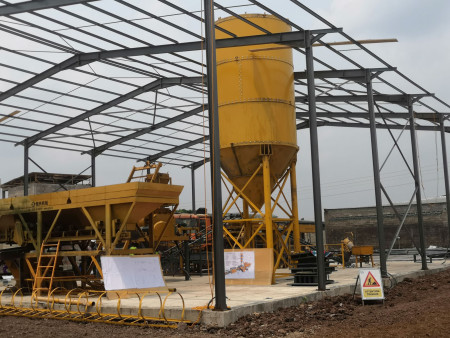
According to the city council, the industrial complex occupies 1.5 hectares and represents an investment of about CFA350 million. At full capacity, the plant can produce up to 4,000 paving stones per hour.
The site integrates several operational units, including a concrete mixing plant, a carpentry workshop, a technical services division and a unit dedicated to the rehabilitation of public lighting. City authorities say the facility will supply paving materials for road construction and maintenance projects, allowing the municipality to respond more quickly to damaged road sections and support the development of new infrastructure. Increased production capacity is expected to shorten intervention times on deteriorated roads while ensuring the availability of paving materials for future urban projects.
Mayor Roger Victor Mbassa Ndinè said the project marks a step toward greater operational autonomy for the municipality in managing road infrastructure. He said the city is building the roads of tomorrow while equipping itself with the tools needed to produce essential construction materials locally.
Municipal authorities added that an in-house paving production facility will reduce the cost of purchasing paving stones for large-scale infrastructure works and help accelerate repairs across the city.
The commissioning of the Ndobo paving plant forms part of broader efforts to modernise urban infrastructure in Douala, Cameroon’s main commercial hub. Local production of paving stones is expected to support faster road rehabilitation and reduce delays often associated with sourcing construction materials externally.
Authorities say producing materials within the city should improve the efficiency of road management and reduce the duration of roadworks affecting residents and economic activity. The new facility is intended to give the municipality greater flexibility in maintaining and expanding its road network as the city continues to grow.
Mercy Fosoh
