






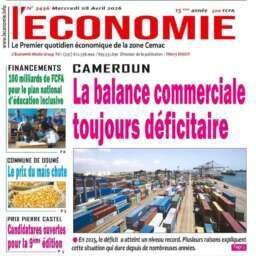






















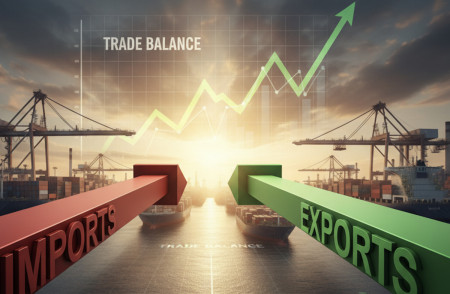
(Business in Cameroon) – Cameroon’s trade deficit narrowed in the first quarter of 2025, falling by 88% to just 32.7 billion FCFA, according to the National Institute of Statistics. The turnaround was driven by a surge in cocoa exports, which increased export revenues by more than a third to 1,118 billion FCFA, while imports rose modestly. The trade coverage ratio climbed to 97.2%, marking the sharpest improvement in recent years.
Cocoa was the undisputed driver. Shipments of beans generated 500 billion FCFA in Q1, more than double the level of a year earlier, as international prices soared to historic highs despite stable production volumes. Together with semi-processed cocoa, the sector accounted for nearly half of Cameroon’s export earnings. By contrast, crude oil sales fell 14%, underscoring the country’s growing dependence on cocoa windfalls.
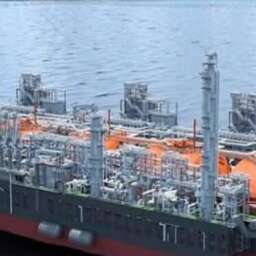
Imports increased by 5% to 1,150 billion FCFA, led by cereals, vehicles, and electrical machinery, though fuel purchases fell sharply as global prices eased. This dynamic improved the hydrocarbons balance, with exports of oil and gas outpacing reduced fuel imports to deliver a net surplus of 164 billion FCFA.
The current performance offers short-term fiscal relief but exposes it to some structural vulnerabilities. Cocoa’s rise is driven by price, not volume, and futures markets already indicate a correction in 2025/26 as supply rebounds in Ecuador and Brazil. With 60% of Cameroon’s cocoa trees aging and diseases cutting up to a fifth of output, production constraints remain acute. Compliance with the EU’s new deforestation rules by the end of 2025 adds further uncertainty, as most local beans still fail to meet traceability standards.
Analysts say Cameroon’s dependence on just a handful of commodities—cocoa, oil, gas, cotton—makes the gains fragile. The government has launched initiatives to diversify, including a $50 million program for disease-resistant crops and a planned refinery aimed at reducing fuel imports. Still, the results are expected to take years. The IMF projects an average growth rate of 3.9% through 2028, contingent upon investment in power and infrastructure.
Idriss Linge
