






























(Business in Cameroon) – The government’s midyear budget review shows that oil transit fees reached CFA20.3 billion at the end of June 2025, against a full-year goal of CFA78.6 billion. The completion rate stands at 25.8%, a level viewed as modest at midyear. One year earlier, the figure was CFA19.8 billion over the same period, reflecting growth of about 2.5% year on year.
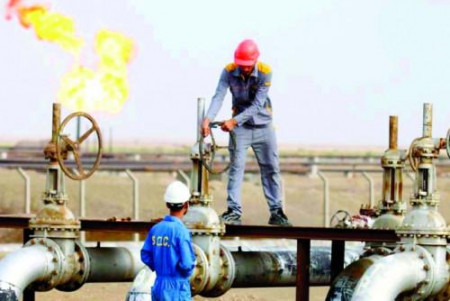
Chad, a landlocked country, relies on the 1,080-km Chad–Cameroun pipeline to export its crude. For Cameroun, the transit fee has become a steadily more important source of revenue for the Treasury. The country currently earns $1.321 per transported barrel. The rate was initially set at $0.41 and has been raised several times over the past decade, first in 2013 and again in 2018 after negotiations.
An amendment signed on October 29, 2013 requires the fee to be reviewed every five years, based on Cameroun’s average inflation rate. Under this rule, a new adjustment should have taken effect on October 1, 2023. No update has been announced so far, even though revenue is trailing the annual outlook.
Transit income could rise if Niger moves ahead with its plan to export crude through the Chad–Cameroun pipeline, a project first proposed in 2012. The renewed push from Niamey opens the door to additional volumes on the line, which could strengthen Cameroun’s earnings.
For now, the pipeline’s performance remains limited by weaker-than-expected volumes and the absence of a confirmed fee revision. Niger’s crude flows and a clearer tariff framework will shape, in the coming months, whether this strategic infrastructure becomes a more effective buffer for Cameroun’s public finances.
Amina Malloum
