




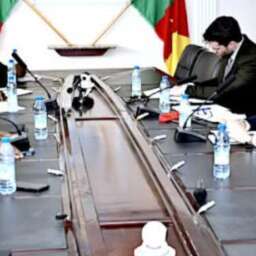



















(Business in Cameroon) – A collective of private vocational training center promoters in the agropastoral sector presented an advocacy document to the Cameroonian government on Sept. 24. The objective is to strengthen conditions for certification and job placement for young people in the sector, positioning it as a strategic engine for job creation and wealth generation.
Among their core recommendations, the training centers requested that the state grant them subsidies, proposing a specific budget comparable to that allocated for secondary education. They also pleaded for simplifying the process of obtaining accreditation, specifically by eliminating the renewal obligation, and asked for the homologation and certification of both training programs and trainers.
Sector stakeholders further suggested implementing a national job placement program for trained youth, alongside measures to facilitate their access to land, credit, and agricultural inputs. Finally, they called for greater national recognition of curricula and certifications issued by private centers.
Specific, detailed proposals were delivered to several relevant ministries, including Employment and Vocational Training, Cadaster and Domains, Decentralization, Small and Medium-sized Enterprises, and Agriculture and Rural Development.
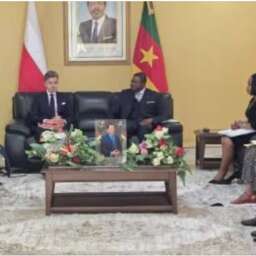
Receiving the document, Gabriel Mbairobe, Minister of Agriculture and Rural Development, deemed its arrival “timely.” He underscored the sector’s importance, stating that “agriculture and livestock occupy a strategic place in our economy. They not only represent the main drivers of growth and food security but are also sectors that generate employment for vulnerable groups such as youth and women.”
Official government figures confirm this emphasis: the broad agricultural sector, including livestock and fishing, accounts for 48 percent of job creation, leading both the service and industrial sectors.
The drafting of the advocacy document received technical support from the Rural Development Support Project III (PADER III). This program, launched in January 2025 and set to conclude in December 2027, is implemented in the North and Far North regions and is funded with 6.5 billion CFA francs by the German government through the GIZ.
Ludovic Amara
