































- Authorities have halted fuel deliveries from seven importers over unpaid dues
- Firms are accused of failing to return excess revenues and refinery support funds
- The move signals tighter enforcement of fuel subsidy and Sonara financing rules
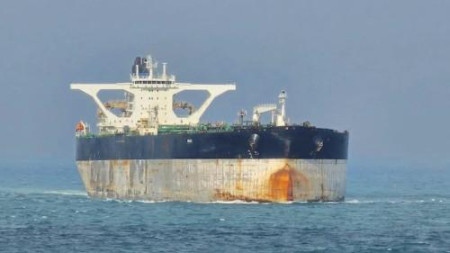
Fuel shipments from seven petroleum importers have been suspended in Cameroon after authorities accused them of failing to meet financial obligations tied to fuel imports and refinery support.
In a March 12 letter seen by Business in Cameroon, Zang Martial Velery, head of the platform overseeing compensation claims, instructed the director general of the national refinery Sonara to halt the reception of vessels chartered by the companies involved.
The firms named include Neptune Oil, Planet Petroleum, Bocom Petroleum, Africa Petroleum, Alpha Oil, Gulfcam, and Nickel Oil. According to the document, they have not validated excess revenues generated from import operations or fully transferred funds collected to support the refinery.
The decision follows a series of meetings on fuel supply chaired by the minister of Water and Energy, as well as a special session of the compensation validation platform held the same day.
At the center of the dispute are “under-recoveries” and “over-recoveries,” key elements in Cameroon’s regulated fuel pricing system. Import costs include international purchase prices, freight, customs duties, and demurrage fees.
When import costs exceed the regulated retail price, operators record losses that may be compensated by the state. When costs fall below that price, operators generate excess revenues, which must be declared and paid back to the Treasury.
According to sector sources, the companies in question have not validated these amounts or fully repaid the sums owed. In the absence of confirmed losses that could offset them, they are effectively considered indebted to the state.
The firms are also accused of failing to fully transfer contributions collected to support Sonara. This mechanism was introduced after a 2019 fire forced the country’s only refinery to halt operations. It involves a levy of CFA47.88 per liter of fuel sold, intended to help repay Sonara’s debt, initially estimated at around CFA1,000 billion.
Official figures show that about CFA270 billion had been collected by September 2023, rising to CFA353 billion by October 2024 and CFA479 billion by October 2025.
Sonara has been instructed to maintain the suspension of shipments from the affected importers until their situations are regularized. In practice, cargoes linked to these firms will not be received until outstanding payments are settled.
The move comes amid increased scrutiny of Cameroon’s fuel price compensation system, which mobilizes large public funds each year. The Sonara support mechanism remains a central tool for managing the refinery’s debt and supporting its eventual restart.
Through this decision, authorities appear to be tightening financial discipline in the sector, signaling that compliance with reporting and repayment obligations will be more strictly enforced.
The exact amounts claimed from the companies have not been disclosed, and it remains unclear whether any of the firms have begun the process of regularization.
Amina Malloum
