























Cameroon’s railway modernisation programme is progressing steadily, with key projects entering critical phases, Transport Minister Jean Ernest Massena Ngalle Bibehe confirmed following a high-level review meeting held on 18 March 2026 in Yaounde.
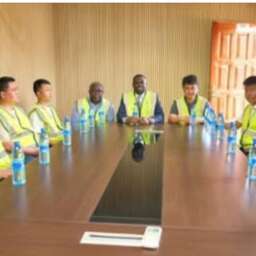
The update came during the 47th session of the Interministerial Committee on Railway Infrastructure (COMIFER), chaired by the Minister of Transport, which examined the reciprocal commitments between the State and concessionaire Cameroon Railways (CAMRAIL) regarding ongoing investments across the national rail network. The meeting, attended by senior officials and the newly appointed Director General of Camrail, focused on assessing the implementation status of projects under the second five-year programme (PQ2), valued at nearly CFA350 billion and financed by international partners.
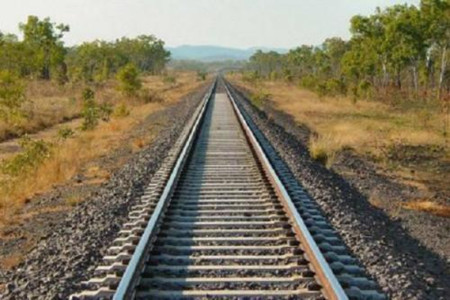
According to officials, several components of the programme have reached operational milestones. The renewal of the Douala-Yaounde and Belabo-Ngaoundéré lines is advancing, with initial tenders already launched for the procurement of rails and track equipment. Additional procurement processes covering ballast, concrete sleepers and core track works are underway, with further tenders for infrastructure rehabilitation expected at a later stage. Authorities also reported progress in discussions on network expansion projects, which are moving towards implementation pending the conclusion of negotiations with prospective partners.
During the meeting, CAMRAIL’s management outlined parallel developments aimed at strengthening operational capacity. The company confirmed the acquisition of four new locomotives under its investment plan, with two expected to be delivered before the end of the year. A subsequent investment phase scheduled for 2027 is set to further increase traction capacity, as discussions with technical partners continue. These developments are intended to support both freight and passenger services, in line with the broader objectives of the national rail modernisation strategy.
“We are at a decisive stage where several structuring projects are entering a critical phase of execution. It is essential that all stakeholders ensure a perfect synergy of actions between the State and the concessionaire to guarantee the successful implementation of the PQ2,” said Transport Minister Jean Ernest Massena Ngalle Bibehe.
The minister also instructed CAMRAIL to reinforce its workforce to ensure smooth execution of ongoing projects, while calling for strengthened monitoring of preparatory activities linked to the launch of operations under the Camalco project, which concerns the exploitation of bauxite deposits in Minim-Martap in the Adamawa region. In addition, he urged the acceleration of procurement procedures for PQ2 works and supplies to maintain project timelines.
The PQ2 programme forms part of a broader strategy to modernise Cameroon’s rail infrastructure and improve the performance of key regional corridors, notably the Douala-N’Djamena axis. Backed by funding from the World Bank, the European Investment Bank, the French Development Agency and the European Union, the programme also includes provisions for acquiring new passenger rolling stock to prevent disruptions in transport services.
Looking ahead, authorities reiterated the strategic importance of planned network extensions, including the Ngaoundéré-N’Djamena, Edéa-Kribi-Campo and Mbalam-Kribi lines. These projects are expected to enhance regional connectivity and strengthen Cameroon’s position as a transport hub within Central Africa.
Mercy Fosoh
