























Cameroon is stepping up efforts to reposition small and medium-sized enterprises (SMEs) within the global trading system, as concerns grow that current multilateral frameworks favour large corporations.
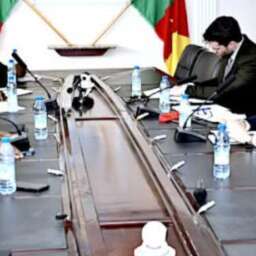
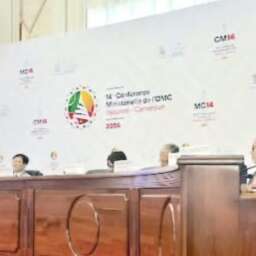
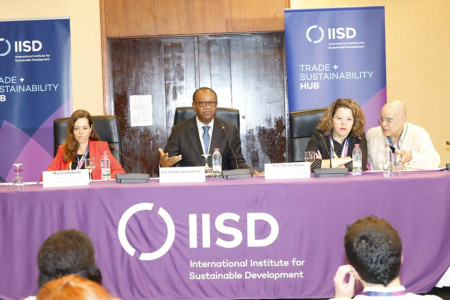
On March 27 in Yaoundé, Minister of Small and Medium-Sized Enterprises Achille Bassilekin III co-chaired a high-level panel held on the sidelines of the World Trade Organization’s (WTO) Ministerial Conference (MC14). The session, coordinated by the International Trade Centre (ITC) and involving Switzerland and Costa Rica, focused on improving SME access to international markets.
Discussions highlighted persistent constraints limiting SME participation in global trade, including restricted access to market information, financing, digital tools and green transition mechanisms. Participants also pointed to structural imbalances in multilateral trade rules, which tend to favour large corporations and create entry barriers for smaller firms.
The panel reviewed progress since a global SME-focused initiative launched in Johannesburg, which aims to strengthen SME integration into the multilateral trading system. Its outcomes are expected to inform the next Global SME Ministerial Conference scheduled for 2027.
For Cameroon, where SMEs represent 99.8% of the economic fabric, the issue is directly tied to growth, employment and export diversification.
“SMEs represent 99.8% of our economic fabric. How can a small enterprise conduct an anti-dumping investigation or access detailed information on market entry conditions? These are services that can only be provided by public authorities,” Bassilekin III said.
He also noted institutional constraints within the WTO system, recalling that an informal working group on SMEs created in 2017 has since evolved into a more structured platform reporting on progress.
The Yaoundé discussions also assessed ongoing support programmes and country experiences. Contributions emphasized the ITC’s role in developing digital tools and capacity-building initiatives to improve SME access to trade intelligence and cross-border opportunities.
As preparations for the 2027 ministerial meeting advance, the outcomes of the Yaoundé panel are expected to feed into broader efforts to recalibrate global trade rules, with the aim of better reflecting the operational realities of SMEs and strengthening their role in international commerce.
Mercy Fosoh
