


















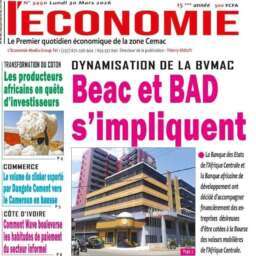










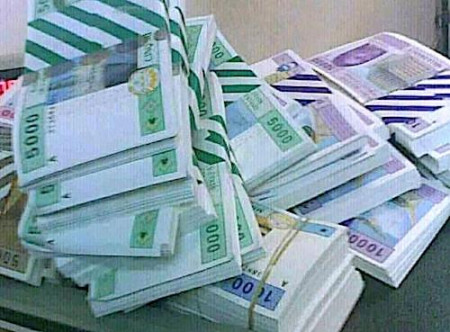
Between April and June 2026, Cameroon plans to raise CFA580 billion on the BEAC public securities market, according to its issuance calendar published on March 30 by the central bank of the Cemac bloc.
The schedule breaks down into CFA160 billion in April, CFA155 billion in May, and CFA265 billion in June. The government will rely on Treasury bills (BTA) with maturities ranging from 13 to 52 weeks, alongside Treasury bonds (OTA) with tenors between 2 and 15 years.
The structure of the plan shows a heavy reliance on short-term instruments. In June, for example, BTA are expected to account for CFA195 billion out of the CFA265 billion to be raised. In April, they would represent CFA95 billion out of CFA160 billion. This financing mix points to continued pressure on the state’s cash position.
Treasury bills are short-term instruments typically used to meet immediate liquidity needs, including salary payments, supplier invoices, or debt repayments. By contrast, longer-term bonds are generally intended to finance development projects.
In Cameroon, the Finance Ministry has for several years relied on issuing new Treasury bills to refinance maturing short-term debt on the same market. While this approach helps preserve state revenues for other budget priorities, it also increases dependence on short-term refinancing.
BRM
