





























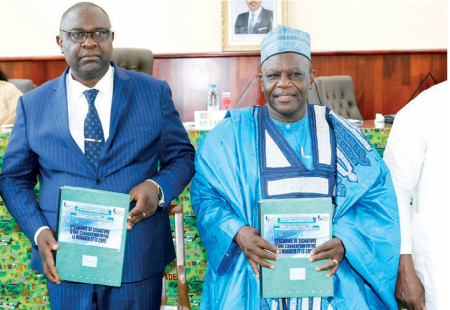
Cameroon has signed new investment conventions to scale up cassava processing and reduce a persistent palm oil supply gap, as part of its broader agricultural restructuring strategy.
On March 18 in Yaoundé, Agriculture and Rural Development Minister Gabriel Mbairobé formalised agreements with the Cameroon Growth Value Chain Network Centre (CRFC) and the Cameroon Soap Manufacturing Company (SCS Alid), a major palm oil processor based in Douala. The deals aim to support annual production of 500,000 tonnes of cassava flour and 400,000 tonnes of cassava starch, while helping to close a structural palm oil deficit estimated at 300,000 tonnes.
These agreements fall under the implementation of the Economic Recovery and Structuring Plan targeting maize, cassava, palm oil and soya—sectors where domestic demand continues to outstrip supply, driving imports and widening the trade deficit.
In the cassava segment, the sector currently comprises around 600,000 producers cultivating 310,000 hectares. Despite this base, the market deficit exceeded 31 million tonnes in 2025. The government is targeting output of 10 million tonnes by 2030. Under the convention with CRFC, the programme includes the development of 45,000 hectares in the central plain through the New Agro-Industrial Company of Cameroon (Sonadic S.A), in coordination with the ministry.
CRFC National Coordinator Simon François Yonga Bakala outlined the expected impact of the initiative. By 2030, the project is projected to expand the tax base by more than 1,700 billion CFA francs, create 50,000 direct jobs and over 150,000 indirect jobs, and improve farmgate prices and productivity. It also aims to revitalise rural production zones by encouraging youth participation, addressing the ageing farming population, and strengthening inclusion of women. Additional objectives include boosting “Made in Cameroon” products and increasing export value.
On the palm oil side, the agreement with SCS Alid focuses on a project in the Yoko subdivision. Cameroon faces a structural deficit of around 300,000 tonnes, with an overall gap exceeding 850,000 tonnes to meet the 2030 production target of 600,000 tonnes. The Yoko project is expected to generate 4,080,000 seedlings, produce 1,200,360 tonnes of palm nuts, and yield 216,065 tonnes of crude palm oil, including 155,567 tonnes of refined output.
According to Mbairobé, these conventions reinforce the government’s strategy to restructure key agricultural value chains and reduce reliance on imports in sectors where domestic production capacity exists.
“The signing of these conventions reflects our shared commitment to building a dynamic, inclusive and competitive agricultural ecosystem,” he said, highlighting the role of public-private partnerships in accelerating agricultural modernisation.
Beyond production gains, the initiatives are expected to strengthen the positioning of local products and support export development, contributing to the transformation of agriculture into a central driver of economic growth.
Mercy Fosoh
