






















Cameroon has launched a FCFA 121.3 billion (US$200 million) push to upgrade city streets, drainage and land administration in Douala and Yaoundé, in a bid to cut travel times, curb flood damage and unlock private investment in the country’s two largest urban economies. The initiative—formally the Sustainable Cities and Land Project (PVGFD)—is backed by the World Bank and targets an estimated 2.1 million direct and indirect beneficiaries across both cities, according to the lender’s approval note on May 30, 2025.
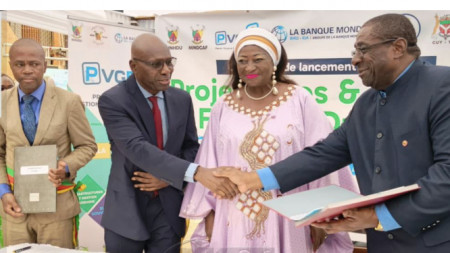
At a ceremony in Yaoundé on January 19, 2026, Housing and Urban Development Minister Célestine Ketcha Courtès presided over a public launch marking the start of implementation, as local broadcast footage showed. The ministry has separately detailed project scopes and locations, confirming that Douala will see 11.5 km of urban roads built or rehabilitated and 10 km of primary drains across the Tongo Bassa (Kondi sub-basin) and Bobongo catchments, while Yaoundé will receive 13 km of structural road works linking busy residential and market areas such as Nkolbikok, Mimboman and Oyom-Abang.
The PVGFD shifts Cameroon’s urban agenda from planning to execution by pairing complex infrastructure with land governance reform. On the infrastructure side, city corridors and feeder streets are slated for rehabilitation to ease chronic bottlenecks that slow traffic into the port city of Douala and the administrative capital, Yaoundé. On the institutional side, the project finances upgrades to land services—long cited as a drag on investment—aimed at improving transparency, speeding transactions and reducing disputes in fast-growing districts.
Project documents published by the Ministry of Housing and Urban Development outline named road segments and drainage basins to be tackled first. In Douala, the package includes the 10-km road from Rond-point MAETUR (Bonamoussadi) toward Beedi Haute Tension and two phases on the Boulevard Urbain Est corridor around Marché Madagascar and Total Nkolombong. In Yaoundé, works include the Nkolbikok loop and connectors toward Mokolo and the MINFOPRA administrative quarter; 2×2-lane upgrades in Mimboman with junction reconfigurations; and connections to previous PDVIR corridors—interventions chosen to decongest high-traffic nodes and reduce exposure to flash flooding.
The World Bank frames the program as a climate-resilient upgrade to Cameroon’s urban systems, with a multisector approach that links transport, drainage and land administration. Its press release highlights the urbanisation surge—projected to reach 73% of the population by 2050—and positions PVGFD as part of a broader effort to tackle structural bottlenecks that have held back city-led growth. The Global Centre on Adaptation, a technical partner, underscores the project’s focus on flood-prone informal settlements, with design support intended to harden neighbourhoods against heavier rains and protect livelihoods.
Governance and safeguards are central to the rollout. The project’s Environment and Social Commitment Plan requires a dedicated project unit at MINHDU, local liaison teams in both cities, grievance mechanisms, and Resettlement Action Plans where right-of-way is needed. It also envisages “City Contracts” between MINHDU and the Yaoundé and Douala urban councils to clarify roles before works begin—procedures aligned with World Bank rules intended to ensure transparent procurement and social due diligence. Early market soundings and notices have already appeared on Cameroon’s procurement portals.
Financing terms were finalised domestically in late 2025, when the presidency authorised an IDA credit of FCFA 121.3 billion for the PVGFD. Together with the transition from the completed PDVIR program, the decree paved the way for the new urban package to move into tendering and site preparation. The ministry’s own brief contrasts the incoming works with PDVIR’s footprint—31.5 km of urban roads delivered across several cities and 6.8 km of drains in Douala—signalling an ambition to scale what worked, and fix the pain points that remain in the busiest metropolitan areas.
What happens next will be closely watched by residents and businesses alike. If the planned links and drainage basins are delivered on schedule—and paired with credible improvements in land services—logistics costs should ease in key corridors feeding the port. At the same time, households in long-flooded neighbourhoods gain safer access to jobs, schools, and markets. The government and its partners say they will track results through quarterly monitoring and citizen feedback channels embedded in the project, a test of whether Cameroon can translate big-ticket urban investments into measurable gains in mobility, resilience and investment confidence.
Mercy Fosoh, Edited by Idriss Linge
