


























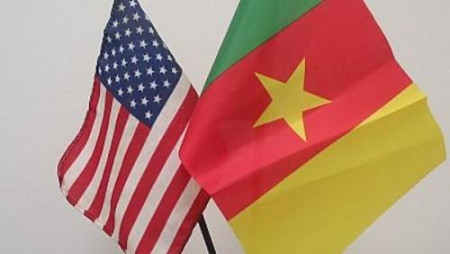
Cameroon is stepping up efforts to attract American investment, even as it remains excluded from the African Growth and Opportunity Act (AGOA), a key U.S. trade program.
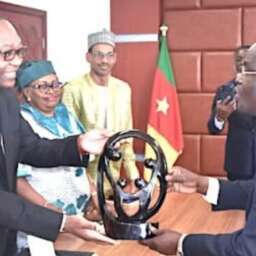
That push was on display during a business lunch organized on March 26 in Yaoundé by the American Chamber of Commerce in Cameroon (AmCham), on the sidelines of the World Trade Organization’s 14th Ministerial Conference. The message was clear: the country has potential, but converting it into real investment will require clearer rules, better information, and a stronger focus on local value creation.
Cameroon’s exclusion from AGOA, which grants preferential access to the U.S. market for eligible African countries, adds complexity. Still, AmCham says it does not rule out deeper business ties. The organization is counting on its U.S. network to connect companies from both countries and help bring investment projects to life across several sectors.
At the core of the discussion is a shift in how Cameroon positions itself.
AmCham is calling for a move away from a consumption-driven relationship toward one centered on local production. Its president, Laure Djoukam, argued for partnerships that create businesses, support industrial growth, and generate jobs. The goal is to position Cameroon not just as a market, but as a base for higher value-added activities.
That ambition hinges on improving the business environment. To attract more U.S. companies, Cameroon will need to offer greater legal certainty, transparency, and reliable contract enforcement. AmCham also sees itself as a bridge between businesses and government agencies, including customs and tax authorities, to help address operational challenges and improve dialogue.
On the U.S. side, the main concern is less ideological than practical.
American officials acknowledge Cameroon’s potential but say it remains difficult to assess. John G. Robinson, chargé d’affaires at the U.S. Embassy in Yaoundé, pointed to a lack of clear information about investment opportunities. For companies interested in sectors such as mining, critical minerals, or services, the challenge lies not only in managing risk but also in understanding how to enter the market and operate effectively.
This lack of visibility reflects broader gaps: limited clarity on sector opportunities, administrative procedures, and key points of contact. In other words, attracting U.S. capital will require not only structural reforms but also a more effective presentation of the country’s economic offer.
By bringing together government officials, diplomats, and business leaders, AmCham is trying to shape a more actionable roadmap between Yaoundé and Washington. The broader goal is to move from exploratory discussions to concrete investment projects, at a time when Cameroon is seeking to diversify partners, boost local industry, and create jobs.
Losing AGOA removes a symbolic trade advantage, but it does not prevent a more proactive strategy to attract U.S. capital. The real test will be whether Cameroon can turn growing diplomatic and institutional interest into actual investment decisions—something that will depend on a more transparent, predictable, and credible business environment.
Ludovic Amara
