































Corporate equity levels in Cameroon fell sharply in 2024, reaching their lowest point in ten years, according to the report on the Economic and Financial Situation of Enterprises in 2024 published by the National Institute of Statistics (INS).
The report shows that companies’ equity declined by 12.4% in 2024 and now represents just 12.4% of total balance sheets. INS warns that this historically low level exposes firms to a higher risk of insolvency and could lead to an increase in business failures.
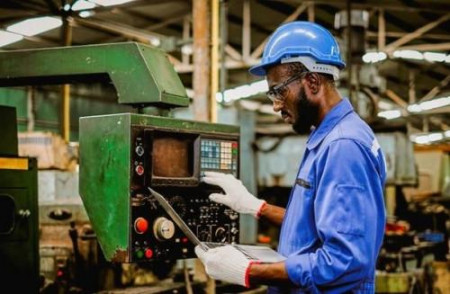
While the downward trend in equity is observed across the economy, the degree of vulnerability varies by sector. According to INS, the most fragile activities are concentrated in the secondary sector. These include textile and garment manufacturing, dairy, fruit and vegetable processing and other food products, repair and installation of machinery and equipment, cereal-based product manufacturing, and construction.
The situation is less pronounced in other sectors, but weaknesses remain visible. In the tertiary sector, wholesale and retail trade as well as vehicle repair are identified as having particularly low equity levels. In the primary sector, forestry and logging stand out as the most exposed activity.
Faced with insufficient equity, companies are increasingly relying on debt to sustain operations. The report notes that the debt ratio measured as the relationship between long-term debt and equity rose from 1.22 in 2023 to 1.28 in 2024. This move further distances firms from the generally accepted sustainability threshold of 1, increasing financial vulnerability, INS cautions.
The findings highlight growing pressure on corporate balance sheets at a time when companies are expected to invest, create jobs, and support economic recovery, raising concerns over their capacity to absorb shocks without stronger capitalization.
BRM
