




























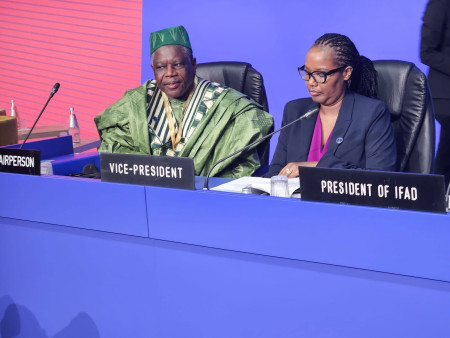
Cameroon has been elected Vice-President of the Governing Council of the International Fund for Agricultural Development (IFAD), securing a strategic position within the United Nations agency responsible for financing rural development projects worldwide. Gabriel Mbairobe, Minister of Agriculture and Rural Development and Cameroon’s Governor to IFAD, was chosen during the recent session in Rome for a two-year mandate extending to February 2028.
The appointment positions Cameroon at the heart of decision-making within an institution that channels funding towards rural productivity, food security and agricultural value chains across developing countries. It marks the third time in 15 years that the country has served on the Bureau of IFAD’s Governing Council, having previously held one term as President and one as Vice-President.
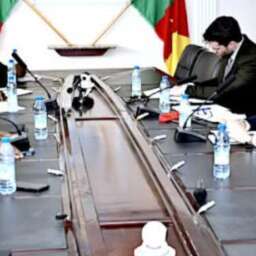
The election took place during the 49th session of the Governing Council, held on 10 and 11 February at IFAD headquarters in Rome under the theme “From Farm to Market: Investing alongside Young Entrepreneurs.” The session convened more than 600 participants from 162 member states.
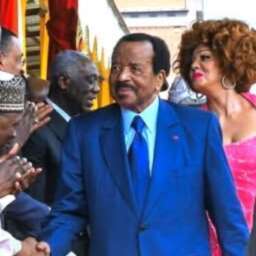
During the meeting, Minister Mbairobe delivered a presentation under the IFAD14 agenda titled “Investing in Rural People: Advancing Food Security, Economic Growth and Stability,” with a particular focus on youth entrepreneurship. He highlighted Cameroon’s experience in supporting young and female entrepreneurs in agriculture, in line with directives issued by President Paul Biya on 6 November calling for intensified efforts to ensure the protection and inclusion of young people and women in educational and professional settings.
IFAD President Alvaro Lario used the session to underscore the economic potential of youth entrepreneurship in rural areas. “Young entrepreneurs bring energy, digital skills and creativity. IFAD can help transform these assets into viable businesses by investing in training, access to finance, market linkages and networks that enable rural enterprises to grow,” he said.
He added that strengthening rural productivity remains central to global food security. According to IFAD, 1.3 billion young people constitute the largest generation in history, with half living in rural areas of developing countries where chronic underinvestment has constrained economic opportunity. “Investing in young entrepreneurs is not a choice — it is an obligation if we want to build sustainable and resilient food systems,” Lario stated.
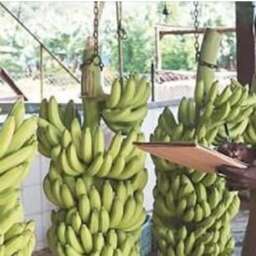
IFAD is the United Nations agency dedicated to financing projects that serve the world’s poorest rural populations. Cameroon and IFAD have sustained a partnership spanning more than four decades, during which 13 projects have been implemented in the country with a combined investment envelope of approximately FCFA 150 billion. These initiatives cover agricultural production, storage, processing, marketing and export segments of the value chain, supporting job creation and productivity gains in rural communities.
Cameroon’s election to the Vice-Presidency reinforces its institutional standing within a key global financing body at a moment when investment in rural economies is increasingly recognised as essential to food supply resilience, employment and broader economic stability.
Mercy Fosoh
