























Cameroon has secured new financing to modernize its road network in one of its most isolated regions. The Board of Directors of the African Development Bank (AfDB) Group approved a €309.93 million loan—about CFA203 billion—to fund the first phase of the Cross-Border Economic Basin Connectivity and Integration Program in the East Region (PDCBET), according to a statement from the institution.
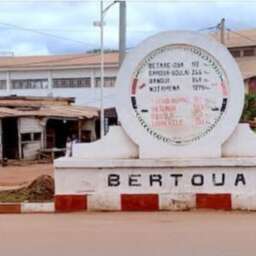
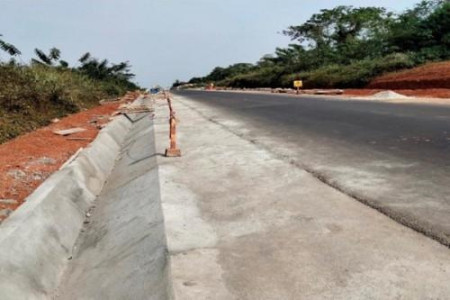
Approved on February 18, the financing will support the construction and paving of a 156-kilometer road linking Ngoura II to Yokadouma along the strategic Bertoua–Batouri–Ngoura II–Yokadouma–Moloundou corridor, which extends to the border with the Republic of the Congo. The route is seen as a key link for facilitating trade between Cameroon and its Central African neighbors.
“By improving connectivity in the East region and linking it to cross-border corridors, we help unlock productive potential and strengthen regional integration in Central Africa,” said Léandre Bassolé, AfDB’s director general for Central Africa.
A program aimed at narrowing regional gaps
Beyond improving mobility, the program is designed to strengthen social cohesion and reduce regional disparities in an area that has long lagged behind in infrastructure development.
The East region—Cameroon’s largest, covering nearly 109,000 square kilometers, or about 23% of the country’s territory—is among the least served by the national road network.
According to AfDB data, only about 6.25% of roads in the region are paved, with road density estimated at around 0.70 kilometers per 1,000 inhabitants. This lack of infrastructure has limited the development of local production, particularly in agriculture, forestry, and mining.
In its statement, the AfDB said a modern, all-season road should make it easier to move goods between production areas and markets. The infrastructure is also expected to lower transport costs, improve access to basic services, and strengthen the competitiveness of economic operators.
The program is expected to create at least 2,500 direct and indirect jobs, particularly benefiting young people, women, and vulnerable minority groups.
Beyond the roadworks, the project forms part of a broader strategy to strengthen regional economic integration by connecting eastern Cameroon’s production basins to cross-border corridors linking the country with the Republic of the Congo and the wider Central African market.
Amina Malloum
