




















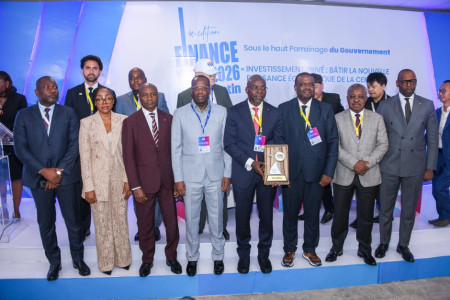
Cameroon’s Presidency has reaffirmed its commitment to placing private investment at the centre of economic transformation. The position was reiterated at the 4th edition of Finance Week in Yaoundé, held on April 30 and organised by financial newspaper EcoMatin, which brought together policymakers, financiers and business leaders from across the CEMAC region.
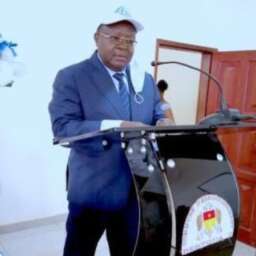
Representing the Presidency, Awusa Née Brigitte Krubi, from its Economic and Finance Division, said the government is repositioning its economic model to prioritise private sector-led growth, in response to mounting fiscal pressures and the need for structural transformation. She stressed that the State’s presence at the forum reflected a deliberate institutional commitment to making private investment the core of the national development model.
Krubi outlined a reform agenda aimed at de-risking and attracting private capital. This includes the National Development Strategy 2030 (NDS30), which anchors industrialisation, import substitution and export diversification; the PIISAH programme, designed to strengthen domestic agricultural value chains; and a 2025 reform of the Investment Charter, updating a framework in place since April 2013 to improve predictability and competitiveness.
She added that the Investment Promotion Agency (IPA) is being restructured into a genuine one-stop shop to simplify procedures and reduce processing times. At the same time, the national investment company SNI has been repositioned as a co-investment vehicle to structure partnerships between public and private actors in high-impact sectors.
Krubi described the current context as a turning point for the region, marked by the urgency of economic diversification, demographic pressures and the need to mobilise private capital at scale. She acknowledged that governments increasingly struggle to rely solely on fiscal revenues to finance key projects, making execution the central challenge.
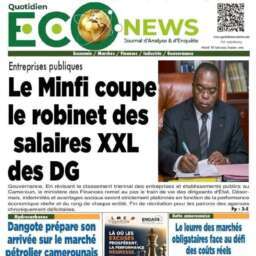
EcoMatin publisher Emile Fidieck framed the stakes of the event in similar terms. Since its launch in 2023, Finance Week has aimed to serve as a platform for strategic reflection, focused on the region’s key economic choices. For this edition, he said, the core issue is not whether CEMAC economies must transform, but who will finance that transformation and at what pace.
Fidieck argued that the next growth cycle in CEMAC will depend on private investment, raising questions about the clarity of the investment environment, the capacity of financial markets to mobilise local savings, and the ability to channel those savings into productive projects.
Finance Week 2026 features panels, business-to-business meetings and policy discussions designed to align public policy with private capital. Organisers say the forum aims to bring together government priorities, financial sector capabilities and private sector needs, as CEMAC economies seek to accelerate growth and diversification.
The event also reflects Cameroon’s broader ambition to position itself as a regional economic hub, leveraging reforms and partnerships to attract investment and strengthen its role within Central Africa.
Mercy Fosoh

