






























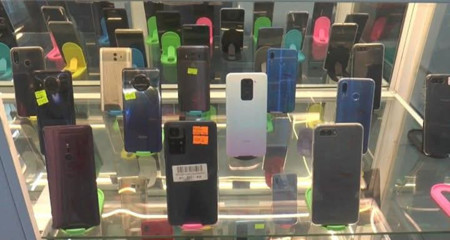
Cameroon’s customs administration says 51,819 mobile phones were declared between April 1 and 25, 2026, marking the first 25 days of the country’s new electronic mechanism for collecting import duties and taxes on phones, tablets and other digital terminals. The figures were presented on April 27, during the weekly management committee meeting of the Directorate General of Customs, as authorities stepped up enforcement and awareness campaigns aimed at formalising the handset trade and increasing state revenue.
The reform, which came into force on April 1, 2026, changes how customs receipts are collected on imported mobile devices. Under the new system, only phones and digital terminals that have been properly cleared through customs can access the network of licensed telecom operators in Cameroon. The measure is designed to curb smuggling, widen the tax base and shift informal imports into official channels.
Revenue drive
Officials have previously stated that the new mechanism could generate at least CFA 25 billion annually, compared with around CFA 1.3 billion currently collected from phones and related terminals. Earlier this month, customs officials disclosed that 29,000 phones had been declared between April 1 and 17, meaning a further 22,819 devices were registered in the following eight days up to April 25. The pace of declarations points to growing use of formal customs procedures as the system expands nationwide.
Customs said sensitisation campaigns are continuing in markets to encourage retailers to regularise existing stocks of phones. Additional awareness operations are scheduled this week at airports, targeting tourists and airline companies, as officials seek to ensure travellers understand the new clearance requirements for digital devices entering the country.
At Yaoundé-Nsimalen International Airport earlier in April, customs officials said the new mechanism had encouraged importers to return to official clearance channels after years in which handset imports increasingly bypassed airports because of contraband routes.
According to customs officials, the reform has effectively moved enforcement from land borders to a “digital frontier”, making it harder for undeclared devices to enter the market and connect to local telecom networks.
Some importers have raised concerns over pricing, saying clearance costs may be passed on to final consumers. Customs has rejected claims of new taxation, maintaining that no additional tax has been introduced and that only the collection method has changed.
Officials added that declared values had been revised downward and further reduced in line with finance law provisions, arguing that the mechanism is intended to improve compliance rather than increase the tax burden.
During the same meeting, the customs administration also reviewed monitoring of goods taxation between April 20 and 24, 2026, identifying operational inconsistencies and proposing corrective measures to combat fraud and improve collections.
Separately, the Directorate General of Customs handed over 15 new surveillance vehicles to enforcement units in central and regional services. The vehicles are expected to support anti-smuggling operations, territorial coverage and fraud detection, alongside the rollout of the new phone import regime.
Mercy Fosoh

