





















Cameroon plans to extend its digital freight management platform, the Guichet d’affrètement des cargaisons (GAC), to transport corridors linking the country with Nigeria.
The proposal was discussed during a meeting held on April 15, 2026, in Yola between the Cameroon Land Transporters Group (GTTC) and the Nigerian Association of Road Transport Owners (NARTO), focusing on integrating digital tools into cross-border transport operations.
The GAC is a digital platform designed to manage the mandatory consignment note, streamline freight allocation, improve traceability, and reduce administrative bottlenecks. It also aims to enhance transparency and competitiveness in road freight transport.
Launched on April 2, 2026, in Douala by the Professional Transport Employers’ Association (PTP), the platform is currently used by operators on the domestic network and on the Douala–N’Djamena and Douala–Bangui corridors. It provides a centralized system intended to improve visibility over freight opportunities.
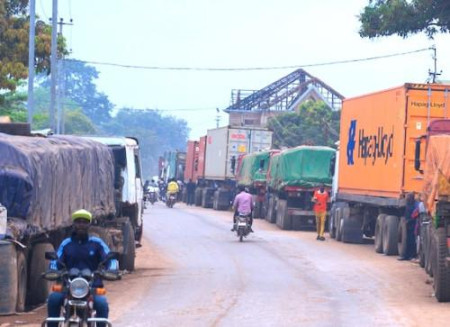
The planned expansion targets key shared routes between Cameroon and Nigeria, including Yola–Garoua and Mubi–Mayo-Woulo in the north, as well as the Ekok–Mfum corridor in the southwest, structured around the Cross River bridge.
According to sector data, this international corridor handles about 13,000 trips and 320,000 tons of goods each month, representing roughly 20% of exports. With road transport accounting for around 75% of freight flows, extending the platform to cross-border routes is seen as a way to improve trade efficiency.
Nigeria remains one of Cameroon’s main trading partners. Data from the National Institute of Statistics show that bilateral trade reached CFA41 billion in the third quarter of 2025, up 10% year-on-year, although the trade balance remains heavily in Nigeria’s favor.
Of this total, CFA40.4 billion consisted of Nigerian exports to Cameroon. A significant share of trade between the two countries remains outside official statistics, due to the scale of informal activity and smuggling along the border.
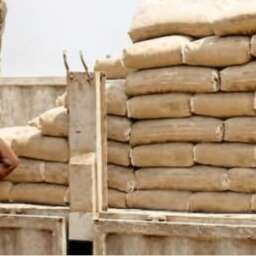
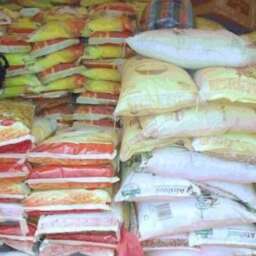
In this context, expanding the GAC could help better structure road freight flows, as most goods traded between the two countries—including soap, cigars, cocoa, cement, spare parts, and petroleum products—are transported by road.
Following the Yola meeting, both parties agreed to roll out an English-language version of the platform to facilitate adoption by Nigerian operators. A formal partnership agreement between NARTO and the transport employers’ association is expected in the coming days.
Frédéric Nonos

