






























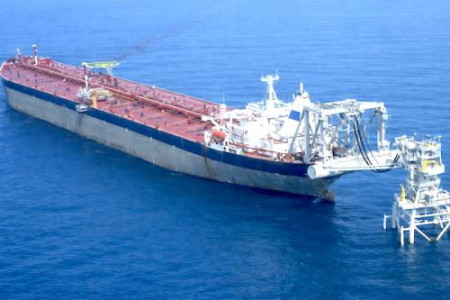
Cameroon has selected international traders Mocoh, Vitol, and Cleveland Overseas LTD to supply petroleum products for the second quarter of 2026, according to information obtained by Business in Cameroon. The move marks a return to an import model relying on global trading firms, coordinated by the Hydrocarbon Price Stabilization Fund (CSPH), as tensions persist in global energy markets.
The shift was finalized following a meeting held on March 13, 2026, under the CSPH. The session launched urgent consultations to identify operators responsible for supplying the domestic fuel market from April to June.
For gasoline, authorities selected Mocoh and Vitol, which will deliver a combined volume of 200,000 metric tons to meet national demand over the quarter. For diesel, the contract was awarded to Cleveland Overseas LTD, which will supply about 220,000 metric tons over the same period.
The reliance on international traders comes at a time of heightened market volatility. Since the outbreak of conflict in late February 2026, refined fuel prices have surged on global markets, raising procurement costs for importing countries.
Sharp rise in prices
According to spot FOB prices on the U.S. Gulf Coast published by the Energy Information Administration (EIA), regular gasoline rose from $1.968 to $3.401 per gallon between February 27 and April 3, 2026, an increase of 72.8%. Based on United Nations conversion factors, this corresponds to a jump from about $703 to $1,214 per ton.
Over the same period, ultra-low sulfur diesel climbed from $2.513 to $4.532 per gallon, equivalent to an increase from about $764 to $1,378 per ton. Aviation kerosene followed a similar trend, rising from $2.428 to $4.237 per gallon, or from about $792 to $1,381 per ton.
These figures reflect FOB spot prices on the U.S. Gulf Coast and do not correspond to CIF Cameroon prices, which include freight, insurance, and other logistics costs.
In this context, the decision to rely on international traders reflects the government’s effort to secure domestic fuel supply and reduce the risk of shortages. It also highlights the need for authorities to retain control over import conditions as rising prices place additional pressure on the downstream oil sector.
Amina Malloum

