


























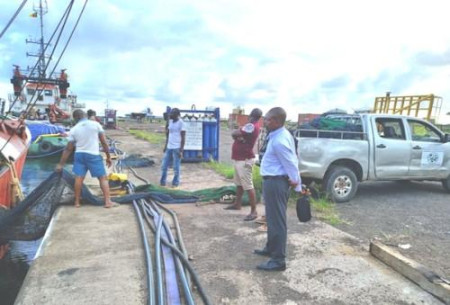
The European Union pledged €3.3 million (about CFA2.2 billion) to combat illegal fishing in the Mouanko area, in Cameroon’s Sanaga-Maritime department.
The program, implemented by the Environmental Justice Foundation (EJF), aims to strengthen coastal surveillance and involve local communities more directly in protecting fishery resources.
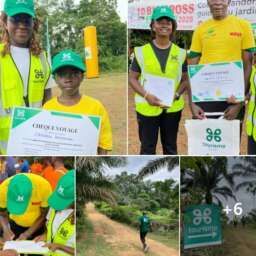
In the coastal villages of Yoyo and Mbiako, EJF is already working with fishermen to set up Community-Based Fisheries Management Committees (CRGPs). These groups are expected to play a central role in monitoring coastal waters and tackling illegal, unreported, and unregulated (IUU) fishing, which continues to strain fish stocks and undermine local livelihoods.
In an initial phase, EJF plans to provide sub-grants of €9,000 (about CFA6 million) to each participating fishing community in the two villages. The funding will support local fisheries management and coastal monitoring activities.
A larger deployment of funds is expected in October, aimed at strengthening the capacities of both fishermen and local authorities within the committees. The goal is to improve detection of illegal fishing activities and better protect coastal waters used by local communities.
“These grants turn community leadership into concrete action. By supporting coastal patrols alongside local authorities, we are giving communities the tools they need to fight illegal fishing in their waters,” said Will May, EJF program coordinator.
According to the organization, the committees will also act as a bridge between communities and public authorities. They will help monitor illegal exploitation, mediate local conflicts, and promote more sustainable fisheries management.
The program also relies on digital tools, including the DASE application, which allows users to report illegal fishing activities—even without internet access. Designed for Android smartphones, the app can capture evidence, record the location of incidents, and identify vessels through names and registration numbers. It is intended for use in both industrial and small-scale fishing contexts.
In addition to local communities, the initiative involves experts from the Ministry of Livestock, Fisheries, and Animal Industries, local authorities, and units of the national navy.
Ludovic Amara

