















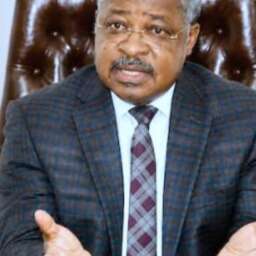





Business lawyer Jacques Jonathan Nyemb is pushing to position Cameroon’s Sanaga-Maritime as a more attractive and structured destination for investment, following the first “Invest in Sanaga” economic forum.
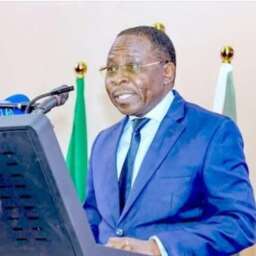
Speaking on April 6 in Douala at a debrief conference for the event held March 27–28 in Edéa, Nyemb—founder of The Okwelians—called for stronger mobilization of capital, specialized expertise, and partnerships to accelerate the department’s economic transformation.
Held under the theme “Structuring local investment, creating jobs, and building a sustainable territorial economy,” the forum brought together more than 500 participants, according to organizers. Nyemb said the initiative should mark the start of a broader process. “This was a first step in dialogue between the state, the private sector, and civil society,” he said, adding that more expertise would be needed to move from discussion to project implementation.
An economy anchored in industry and energy
The strategy builds on existing strengths. In agro-industry, projects are emerging across cassava, palm oil, and plantain value chains. Sanaga-Maritime is already one of Cameroon’s key industrial hubs, hosting major production facilities.
In Edéa, aluminum producer Alucam has an annual capacity of 100,000 tons and employs around 800 people directly. The department is also home to Safacam and Socapalm, which are active in palm oil and rubber production. Timber operations, expanding industrial zones around Edéa, and the growth of local SMEs are further diversifying the economic base.
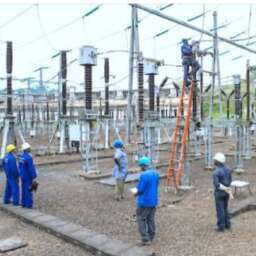
Energy is another major advantage. The Edéa (276.4 MW) and Song-Loulou (388 MW) hydropower plants already play a central role in the national power system. Upcoming projects at Grand Eweng and Kikot are expected to add more than 1,000 MW to the grid, reinforcing the region’s position in electricity supply.
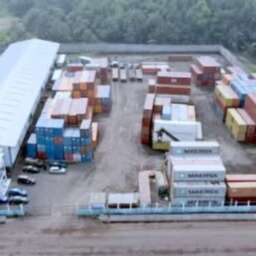
By 2030, Sanaga-Maritime could account for nearly 30% of Cameroon’s total power generation. The department also benefits from a strategic location between Yaoundé and Kribi, along with plans for the Missolé industrial-port zone.
Structuring projects to unlock investment
Despite these assets, organizers say stronger coordination between public and private actors is essential. In an economy still largely shaped by informality, challenges extend beyond financing to include value chain organization, access to information, business support, and workforce training.
Nyemb is advocating for a restructuring of industry bodies to improve value chain coordination, align training with labor market needs, and pool production resources. The Okwelians and its partners say they are ready to provide technical and financial support to viable projects, with the goal of building a more resilient territorial economy.
The initiative is part of the Orca coalition, which brings together The Okwelians, Remcess, the Cntc, and Aivara, following recommendations from The Okwelians Summit 2025. The program includes support in territorial marketing and governance to help local authorities identify their strengths, prioritize investments, and turn plans into bankable projects.
Beyond Sanaga-Maritime, the approach will be tested in municipalities such as Dzeng, Mbanga, Bandjoun, and Méri, with the aim of demonstrating that better-structured local strategies can deliver tangible gains in investment and employment.
Frédéric Nonos

