























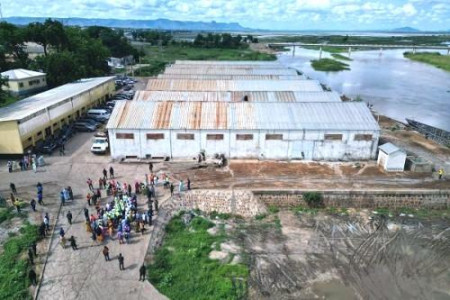
The river port of Garoua is entering a new phase of institutional restructuring as authorities move to restore formal governance and improve revenue collection at the site.
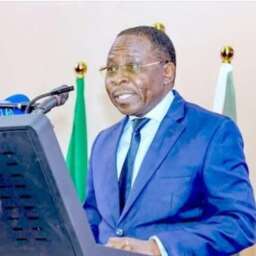
On April 2, 2026, the prefect of the Bénoué division, Oumarou Haman Wabi, led a strategic meeting to establish a formal management committee for the port, located in northern Cameroon. The initiative aims to impose stricter oversight and reposition the facility as a functional logistics and revenue-generating hub.
According to the Garoua City Council (CUG), the meeting outlined an operational roadmap. The municipality is expected to appoint a technical and administrative team to manage the port. The prefect also called for closer coordination between defense forces and security services, with a focus on tackling smuggling networks. Authorities further requested a census of all operators at the site, including owners of small wooden boats often linked to informal trade.
A municipally managed port long operating informally
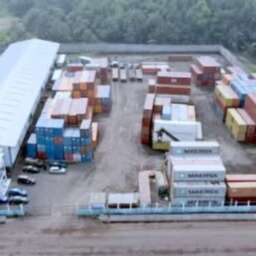
Transferred to the CUG in 2003 as part of decentralization reforms, the port has remained under municipal control but has lacked a structured management framework. Over time, this has led to largely informal operations, undermining maintenance and limiting revenue collection.
In its audit of the CUG’s management for the 2020–2024 period, the Audit Chamber of the Supreme Court noted that certain port fees were not collected. The issue stemmed from the prefect’s failure to approve the resolution establishing these charges. The blockage was later resolved after a request from the municipality, allowing the National Port Authority (APN) to validate the tariffs.
The ongoing reform seeks to bring the port back under administrative and technical control after years of weak oversight. The future management committee will be tasked with improving governance, regulating activities, and securing revenue streams.
Authorities also aim to reduce the influence of informal networks at the port, even as large commercial vessels no longer operate regularly at the site. The overhaul is expected to improve control over flows, clean up operations, and restore public authority in what has become a sensitive area.
A strategic logistics asset for the region
Established in 1935, the port of Garoua remains central to broader regional development ambitions. Authorities view it as a key link for cross-border trade with Nigeria and Chad, in a region where logistics connectivity remains a critical challenge.
The creation of a management committee responds to three priorities: formalizing operations, securing revenue, and preparing for a planned modernization project valued at CFA16 billion.
Beyond administrative reform, the initiative reflects a broader effort to restore the economic role of a strategic public asset. Authorities now face the challenge of translating this institutional reset into tangible gains in governance, security, and logistics performance.
Frédéric Nonos

