

























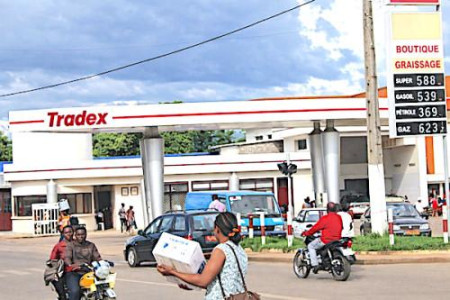
Facing rising global tensions linked to the conflict in the Middle East and growing risks to fuel supply, Cameroon has decided to take tighter control of petroleum imports.
According to sources familiar with the matter, the government is reverting to a system that relies on international traders to secure fuel shipments, with the Hydrocarbon Price Stabilization Fund (CSPH) overseeing quota allocations. The goal is to stabilize the domestic market as global prices rise and national fuel stocks remain low.
Yaoundé reasserts control over supply
The decision followed two meetings held in Yaoundé on March 9 and March 13, led respectively by Energy Minister Gaston Eloundou Essomba and CSPH Director General Okie Johnson Ndoh. Authorities agreed to revive a model previously used, under which international traders are tasked with securing fuel cargoes for the domestic market.
Under the new setup, selected traders will supply petroleum products, while local marketers will purchase allocated volumes through letters of credit. Sources say this structure is intended to ensure steady supply under current market stress.
The shift comes as geopolitical tensions intensify. Since the outbreak of conflict on February 28, 2026, instability in the Gulf has raised concerns about global energy supply chains. The Strait of Hormuz—through which about one-fifth of global oil consumption passes—has seen major disruptions, fueling volatility in energy markets.
Oil prices have reacted sharply. On March 12, Brent crude rose above $100 per barrel for the first time in over two years and remained above that level in mid-March. Refined product prices have also climbed, increasing pressure on importing countries.
A fixed premium system
Authorities have opted for a fixed premium mechanism, meaning a predetermined margin is applied to cargo purchases. Industry players say this limits marketers’ ability to negotiate better prices, as premiums are typically a key lever for improving margins in international fuel trade.
However, analysts note that the approach is driven by fiscal considerations. With pump prices capped, a fixed premium allows the government to better anticipate subsidy costs. “The state can more easily estimate potential losses since marketers cannot negotiate premiums and pass differences on,” one sector analyst said.
This cautious approach also reflects low domestic reserves. Data indicate current supply coverage stands at about 38 days for gasoline, 12 days for diesel, and 11 days for jet fuel, based on available stocks at the national storage company, excluding strategic reserves.
A return to a tested model
In effect, Cameroon is returning to a system adopted after the 2019 fire at the Sonara refinery, which forced the country to rely entirely on fuel imports. At the time, international traders were selected to ensure supply.
Authorities say that model helped reduce procurement costs, with premiums dropping by about $98 per metric ton for gasoline, $77 for diesel, and $53 for jet fuel. The government estimated annual savings of around CFA150 billion.
A pause in liberalization
The system had evolved in December 2023, when authorities moved to liberalize fuel imports. Under that framework, major importers could source products directly, while marketers were free to choose suppliers. The CSPH retained oversight of quota distribution.
The current shift marks at least a temporary rollback of that liberalization, aimed at securing supply in a volatile global market. However, it could increase pressure on public finances, already strained by fuel subsidies.
A fragile supply model
After years of frozen pump prices, the government raised fuel prices in February 2023—by 15.8% for gasoline, 25.2% for diesel, and 36.5% for industrial fuel—followed by another 15% increase for gasoline and diesel in February 2024. These measures were intended to ease the fiscal burden of subsidies.
While the return to a trader-led system may help secure supply in the short term, it also underscores a deeper vulnerability. Seven years after the Sonara fire, Cameroon remains highly exposed to global energy shocks. Between supply risks, fiscal pressure, and continued dependence on imports, the resilience of the country’s fuel supply model is once again under strain.
Amina Malloum

