




























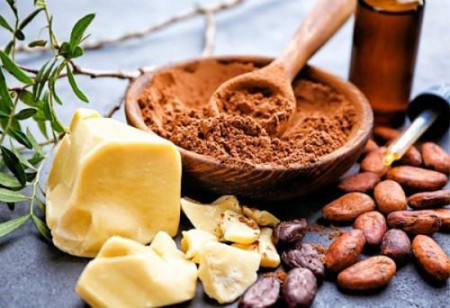
Cameroon is pushing further into cocoa processing, adding new industrial capacity as it seeks to capture more value from one of its flagship exports.
On February 27, 2026, the ministers of Commerce and Agriculture laid the foundation stone for a new processing plant operated by Samen Industry in Baré Bakem, in the Moungo department of the Littoral region.
The facility will sit on a three-hectare site and include the production unit, storage areas, truck parking zones and green space. The total investment amount was not disclosed.
According to the project developer, the plant will have an annual processing capacity of more than 32,000 tons of cocoa beans. Once operational, Samen Industry will become the sixth cocoa grinder in Cameroon.
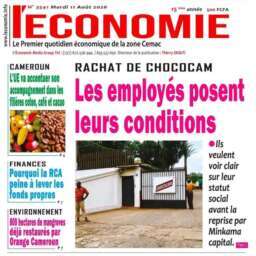
The company will join Sic Cacaos, a subsidiary of Switzerland’s Barry Callebaut; Chococam, controlled by South Africa’s Tiger Brands; Atlantic Cocoa, owned by Ivorian businessman Kone Dossongui; and the Cameroonian firms Neo Industry and Africa Processing.
The expansion underscores Cameroon’s strategic push to increase domestic processing rather than exporting raw beans.
Crossing a Threshold in Local Processing
The rapid growth in grinding capacity has already pushed Cameroon past a symbolic milestone. At the end of the 2024–2025 season, the country processed more than 100,000 tons of cocoa beans locally for the first time.
The rise in industrial demand has intensified competition for beans, producing a dual effect: higher prices paid to farmers and a stronger Cameroonian presence in international markets for semi-processed cocoa products.
Supported by tighter domestic competition and favorable global market conditions, the farmgate price reached a peak of CFA6,300 per kilogram during the 2023–2024 season, before easing to CFA5,400 in 2024–2025, according to the National Cocoa and Coffee Board.
At the same time, the Competitiveness Committee at the Ministry of Economy reported that in 2024, Cameroon ranked among the world’s top 10 exporters of cocoa derivatives for the first time — a sign of the sector’s improving competitiveness.
With the addition of Samen Industry, competition for raw beans could intensify further, as the government continues to prioritize increasing the share of value added captured domestically within the cocoa supply chain.
BRM

