























A nationwide inventory conducted under the third phase of the Financial Governance Support Project (PAGFI 3) has put the value of assets held by the state in public enterprises at CFA1,507.3 billion as of end-2024.
The exercise aims to identify, value and integrate all assets and liabilities held by the state and other public entities into national accounts. Authorities describe it as a key step toward improving budgetary and asset transparency.
Assets across 49 public firms
The CFA1,507.3 billion in identified assets are distributed across 49 public enterprises. Of these, 35 are wholly owned by the state, while 14 operate under mixed ownership structures in which the state holds either a majority or minority stake.
The inventory distinguishes between non-financial and financial assets. Non-financial assets include buildings, infrastructure, roads, equipment, intangible assets, inventories, land and other physical property. Financial assets cover equity stakes, loans and advances, receivables, as well as cash and deposits.
Debt remains elevated
This asset snapshot must be viewed alongside the liabilities of public entities. As of December 31, 2024, public enterprises and administrative public establishments had accumulated more than CFA1,000 billion in debt, according to the Autonomous Amortization Fund (CAA), which monitors the state’s liabilities.
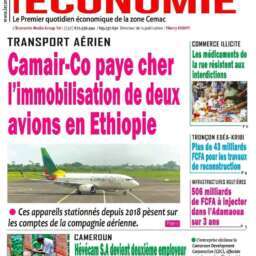
The CAA notes that outstanding direct external debt of public enterprises and establishments amounts to CFA493.9 billion. This figure includes supplier and operating debts of Sonara, the national oil refinery, and Camair Co, the national airline, which together account for 96.1% of the total external debt of public entities.
The progressive consolidation of both assets and liabilities is seen as central to public finance management, at a time of heightened scrutiny over debt sustainability.
Ludovic Amara

