




















Cameroon has officially launched a national waste exchange designed to transform millions of tonnes of discarded materials into valuable industrial inputs. The National Waste Exchange began operations on 12 February 2026 in Yaounde, with the Minister of the Environment, Nature Protection and Sustainable Development, Hélé Pierre, presiding over the launch of its activities and electronic platform. Created in June last year, the entity used the occasion to unveil its visual identity — logo and colours — and outline its operational roadmap, marking the transition from planning to implementation.
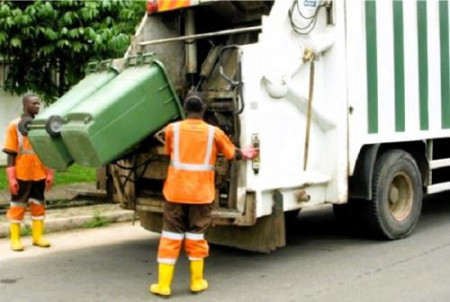
The initiative responds to a sharp rise in waste volumes nationwide. According to figures presented at the ceremony, waste generation doubled from three million tonnes in 2016 to six million tonnes in 2025. Of that total, only a quarter is collected by waste operator Hysacam, while half is managed through methods that fall short of regulatory standards. The remaining quarter is simply abandoned in nature, contributing to environmental degradation and greenhouse gas emissions. The minister framed the exchange as a way to ensure “the waste of some becomes the raw material of others.”
A digital marketplace to structure the waste economy
The Director General of the National Waste Exchange, Sylvie Rebecca Essomba, detailed how the platform will work in practice. The electronic interface allows stakeholders to post offers and needs, facilitating direct interaction between suppliers and buyers of waste materials. The goal is to position the exchange as the central eco-organisation within the national waste market.
Ten priority projects have been identified, four of which were achieved with the official launch. Ms Essomba described a strategy built on leveraging existing channels, diversifying revenue streams, and structuring a transparent marketplace. “It will be a question of animating the waste stock market where supply and demand will meet,” she said, adding that reinjecting waste into the industrial circuit would contribute to import substitution by lowering production costs.
Local authorities and private operators have welcomed the development. Daniel Edjo’o, Mayor of Ebolowa, said councils have a direct stake in improved waste management and that the initiative could transform waste into economic capital for municipalities. “Our cities will change their image and above all make some money,” he said. Henri Yene, a supervisor at Red-Plast Yaounde, a recycling company that already operates an online waste-collection application, said interconnection through the national platform would improve coordination across the transformation chain. “We hope to improve our sales and properly oil the waste transformation network in Cameroon,” he said.
The exchange is expected to stimulate domestic processing industries by ensuring a steady supply of secondary raw materials, aligning with broader policies on sustainable development and reduced reliance on imports. As operations begin, attention now turns to implementing the remaining priority projects and mobilising public and private actors across the waste value chain.
Mercy Fosoh

