
























The first stone of Cameroon’s Maritime Fisheries Development Fund (CDPM) ‘s future headquarters was recently laid in Mboppi, Douala, marking a new phase in the financing architecture of the country’s fisheries sector. The ceremony was presided over by the Minister of Livestock, Fisheries and Animal Industries, Dr Taïga, during a working visit to the Littoral Region.
The construction of the CDPM headquarters forms part of a broader national strategy to professionalise the maritime fisheries industry and increase domestic fish production. Government objectives aim to increase national fish output from an estimated 230,000 tonnes to 600,000 tonnes by 2027. The project positions the CDPM as a key financial and institutional tool supporting this target, linking infrastructure investment with sectoral expansion and food supply objectives.
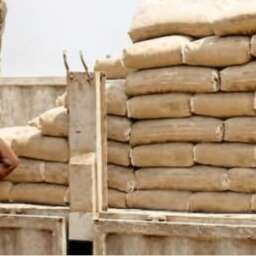
Supervised by Frédéric Tchoffo, the project monitoring officer, the future headquarters will be a five-storey building (R+5) with a mezzanine extension on the ground floor. The structure will occupy an estimated footprint of 700 square metres and include a commercial centre on the ground floor.
Office space will be distributed from the first to the fourth floors, with a capacity of approximately 50 offices. The construction schedule spans 30 months, divided into three phases: nine months for foundation works, 16 months for structural works and finishing, and a final phase dedicated to roads, utilities, and equipment installation. According to the project supervisor, construction planning accounted for the need to maintain services in the existing CDPM offices throughout the works, with constraints put in place to ensure compliance with the delivery timeline.
Once completed, the new headquarters is expected to strengthen the CDPM’s ability to carry out its statutory missions as defined by Decree No. 74-991 of 16 December 1974. These include contributing to the training and supervision of fishers, promoting fisheries research, and improving distribution channels for artisanal-fishing catch.
According to the Food and Agriculture Organisation (FAO), Cameroon’s total fish production stood at approximately 232,000 tonnes in 2022, with artisanal fisheries accounting for more than 70 per cent of the national supply. The World Bank estimates that Cameroon imports over 200,000 tonnes of fish annually to meet domestic demand, at a cost of more than CFA 300 billion. Within this context, institutional capacity and sector financing remain central to reducing import dependence and supporting value chain efficiency.
Mercy Fosoh

