
























As part of its import-substitution measures under the 2026 finance law, Cameroon has introduced a levy equal to 10% of the ex-factory price on locally produced clinker and marble exported abroad. The measure applies when the products leave the national territory.
“Marble, non-pulverized cement known as clinker, and all other mineral materials benefiting from tax and customs incentives for local production are subject to a special levy at a rate of 10% of the ex-factory value upon exit from the national territory,” Finance Minister Louis Paul Motazé said in a circular on the implementation of the 2026 state budget.
The measure is designed to encourage producers to prioritize supply to the domestic market rather than exporting all or part of their output to neighboring countries. It also has a trade dimension, as Cameroon’s trade balance remains weighed down by significant imports of these same products.
Marble provides a clear example of this tension. While large volumes are imported each year, Chaux Roca — founded in 1946 in Figuil, in the North region — exports part of its production to neighboring countries, including Chad and Nigeria.
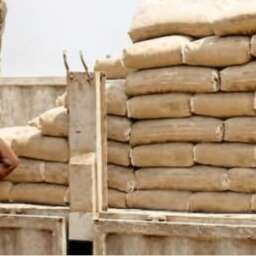
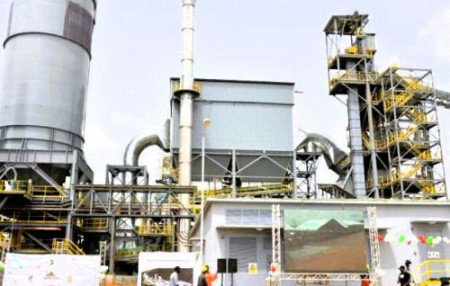
Figuil is also home to a cement plant operated by Cimenteries du Cameroun (Cimencam). The plant’s capacity has recently been expanded, with daily clinker output reported at 1,000 tons.
By taxing exports of locally produced volumes — described as limited — the government aims to discourage shipments abroad. More broadly, the move targets a factor identified as central to high cement prices: the continued importation of clinker by local cement producers.
BRM

