























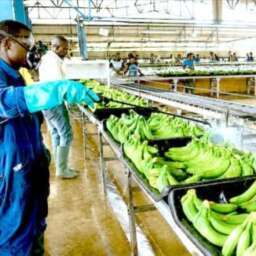







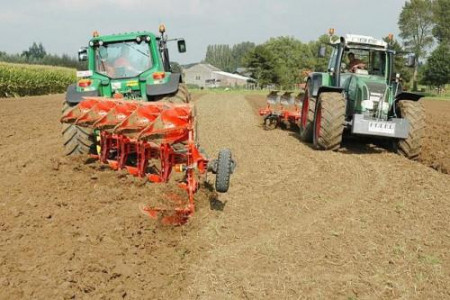
The 2026 finance law introduces a package of tax incentives aimed at accelerating the development of agriculture, livestock, and fishing. “Numerous tax exemptions are planned in favor of farmers, both during the investment and operating phases, reducing the cost of investment in the agropastoral sector by nearly 30%,” Finance Minister Louis Paul Motaze said on January 13 in Ngaoundéré, at the official launch of the 2026 budget execution.
Key measures include VAT exemptions on the purchase of pesticides, fertilizers, agricultural inputs, as well as equipment and machinery used in agriculture, livestock, and fishing. The agropastoral sector will also benefit from exemptions on tax and employer social charges applied to the wages of seasonal farm workers, in a bid to lower labor costs during peak periods.
Land and financing: registration fees waived
The government plans to exempt agropastoral investors from paying registration fees on land transfers allocated to agriculture, livestock, and aquaculture. Similarly, producers will be exempt from registration duties on loan agreements used to finance agricultural, livestock, and fishing activities, with the aim of easing access to credit.
In terms of land access, producers will be exempt from property tax on land owned by agricultural, livestock, and fishing enterprises, provided the land is effectively used for these activities. Buildings used as offices are excluded from the scheme.
During the first five years of operation, producers will also be exempt from the business license tax, as well as from advance payments and the minimum threshold of income tax. According to the Ministry of Finance, these measures are intended to “create more value added, stimulate employment, and strengthen the resilience of the economy.”
Ludovic Amara

