


















The 2023 EITI report highlights a major change in the ownership structure of the Yoyo gas field between 2022 and 2023. The stake held by the Cameroonian state through the National Hydrocarbons Corporation (SNH) fell from 50% to 25%, while that of operator Noble Energy rose from 50% to 75%. The report does not specify the exact nature of the transaction. The SNH has not communicated on the existence of a formal sale, a transfer of rights, or any other contractual mechanism explaining this rebalancing.
According to industry analysts, the new structure could be linked to a production-sharing contract. Such arrangements allow ownership stakes to be adjusted depending on project design and the level of financial commitment by each partner. As the Yoyo field has not yet reached the full development phase, equity interests may be renegotiated to better reflect the investments borne by each party. In this context, Noble Energy’s increase to 75% suggests a larger technical and financial role in the project.
A strategic cross-border field with Equatorial Guinea
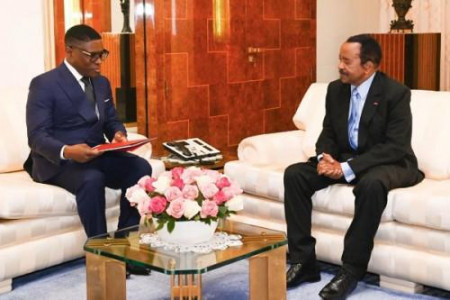
On November 19, Cameroonian and Equatorial Guinean authorities presented in Yaounde the development plan for the cross-border Yoyo-Yolanda gas field during an official visit by Equatorial Guinea’s vice president. The field is estimated to hold about 2.5 trillion cubic feet of gas resources. The presentation marked a further step toward operationalizing this joint project, which is expected to play a long-term role in supplying energy infrastructure in both countries.
Development of the Yoyo-Yolanda field is based on two separate pipelines. One will transport gas to the Bipaga processing facility in southern Cameroon. The other will supply the Punta Europa industrial complex on Bioko Island in Equatorial Guinea, using existing infrastructure from the Alen field. Under the initial allocation, Cameroon is expected to receive 84% of the resources from the joint development, compared with 16% for Equatorial Guinea. For Cameroon, Yoyo-Yolanda is seen as a strategic opportunity to secure new energy resources and strengthen its gas export potential.
Amina Malloum

