



















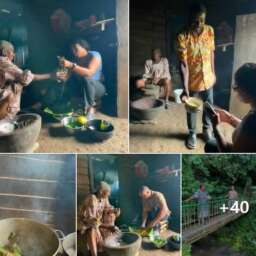


(Business in Cameroon) – Cameroon’s aquaculture sector has taken a decisive step towards strengthening food security and reducing reliance on imports. This is through a 10-day intensive aquaculture training course launched on 2 December 2025, titled “From School-Leaving Certificate to Dinner Plate”.
Organised by the Support Centre for the Development of Aquaculture and Hydroculture in Cameroon, (CADAHC) in partnership with the Support Program for the Development of the Livestock Sector and Livestock Value Chains, (PADESCE), the initiative brings together 26 participants for hands-on instruction in modern fish farming and fish processing, with the dual aim of boosting local production and adding value through products such as fish sausage.
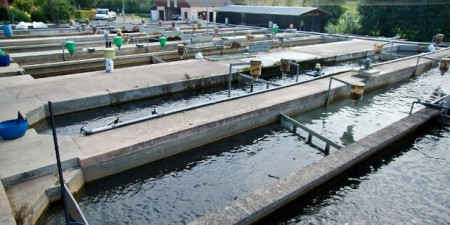
The training addresses two critical links in the aquaculture value chain: intensive production of table fish (notably tilapia and catfish) and the transformation of harvested fish into longer-lasting, marketable products. The first phase focuses on intensive and semi-intensive pond systems, improving water-quality management, species selection, health management and feeding regimens. The second phase introduces processing techniques for fish sausages, a move intended to diversify products beyond fresh or smoked fillets, extend shelf life, and provide producers with higher margins.
In remarks during the opening ceremony, the director of CADAHC congratulated attendees for their commitment and reiterated the centre’s readiness to support them in becoming “major players of their own success.” The event is part of the broader contract between CADAHC and PADESCE, reflecting the government’s strategic focus on aquaculture as a pillar of national food security and import substitution.
The government’s import-substitution strategy identifies aquaculture as one of five priority sectors to reduce dependency on foreign supply. However, Cameroon’s aquaculture production remains modest compared to national demand. According to the Ministry of Livestock, Fisheries and Animal Industries (MINEPIA), national aquaculture output is below 20,000 tonnes annually, while demand is estimated at 400,000 tonnes.
World Bank data shows that aquaculture production in Cameroon stood at 14,854 tonnes in 2023, reflecting gradual growth but still insufficient to meet domestic needs. This gap has led to significant imports of fishery products, straining the trade balance. The government has set an ambitious target to increase fish production from 225,000 tonnes in 2024 to 600,000 tonnes by 2027, a 166.7% increase under its integrated fish import-substitution plan.
The CADAHC-PADESCE training programme, therefore, aligns squarely with national policy, seeking to enhance the technical capacity of aquaculture practitioners and support the industrialisation of the sector. The course is expected to equip participants with knowledge of intensive farming and post-harvest processing, with the aim of boosting supply, reducing reliance on imports, retaining value within Cameroon, and supporting the broader economic objective of import substitution under the state’s development strategy.
Mercy Fosoh

