





















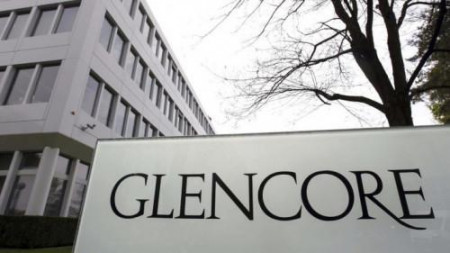
(Business in Cameroon) – Oil production attributable to Glencore in Cameroon fell by 31 percent over the first nine months of 2025, reflecting the continued decline of the Anglo-Swiss trader’s output in the country.
Glencore’s net share of production totaled 122,000 barrels over the period, down from 176,000 barrels in the same period of 2024.
These volumes come from fields operated by Perenco, Glencore’s technical and operating partner. The partnership began in 2018, when the National Hydrocarbons Corporation (SNH) announced that Glencore had sold 50 percent of its rights in the Bolongo block in the Rio del Rey basin to Perenco and transferred operatorship. The deal was tied to the development of the Oak field, which was initially expected to add about 10,000 barrels per day in 2018.
Glencore’s weaker results come against the backdrop of a prolonged decline in Cameroon’s national oil production due to reservoir depletion and a lack of major new developments. The drop reflects the maturity of the fields, the natural decline of existing wells and limited upstream investment. Because Cameroon represents only a small part of Glencore’s global portfolio, which is largely focused on trading and metals, the impact on the group’s overall earnings remains minimal.
Revised National Output Forecast
In response to ongoing challenges, Cameroonian authorities have lowered their production outlook for the current fiscal year. The national crude output forecast has been revised from 20.71 million to 19.81 million barrels, while gas production projections have been cut from 92 billion to 79.2 billion standard cubic feet.
The reference oil price used for the state budget has also been revised to 66.94 dollars per barrel, down from 72.84 dollars, reflecting weaker demand and continued market volatility.
Mature basins and limited capital spending are straining domestic supply and weighing on fiscal stability. In the short term, the government aims to optimize existing brownfields through enhanced oil recovery (EOR), workovers and compression, while directing drilling toward prospects with the highest geological success rates.
For medium-term stability, the strategy will require a more integrated gas sector supported by reliable offtake agreements and infrastructure links, fiscal terms aligned with geological risk, and stronger execution discipline to curb the decline in production.
Amina Malloum

